

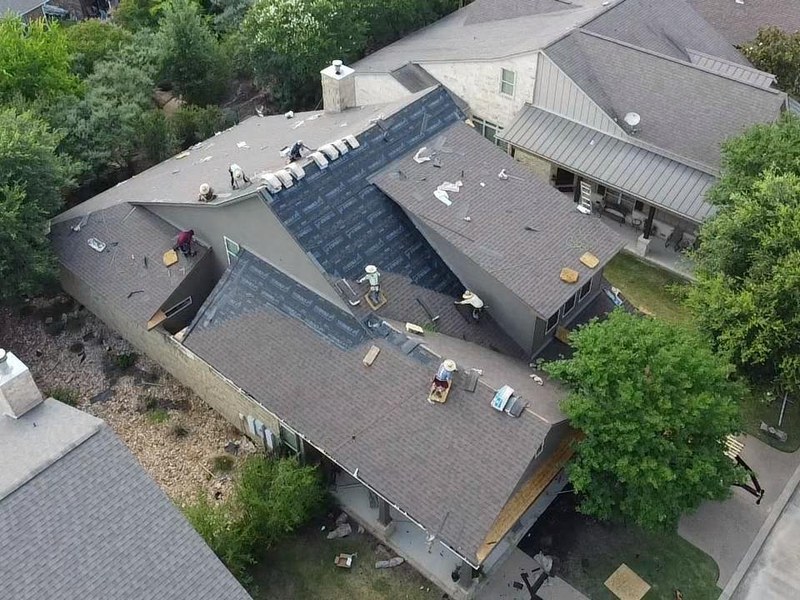
For homeowners across the Texas Hill Country, a roof isn't a generic product — it has to stand up to what Austin / Bee Cave actually throws at it. Near Lake Travis, the Barton Creek greenbelt, the Texas Hill Country wineries, and downtown Austin, Trophy Exteriors builds and inspects every roof for local conditions, not a one-size-fits-all checklist.
What Austin / Bee Cave weather really does to a roof
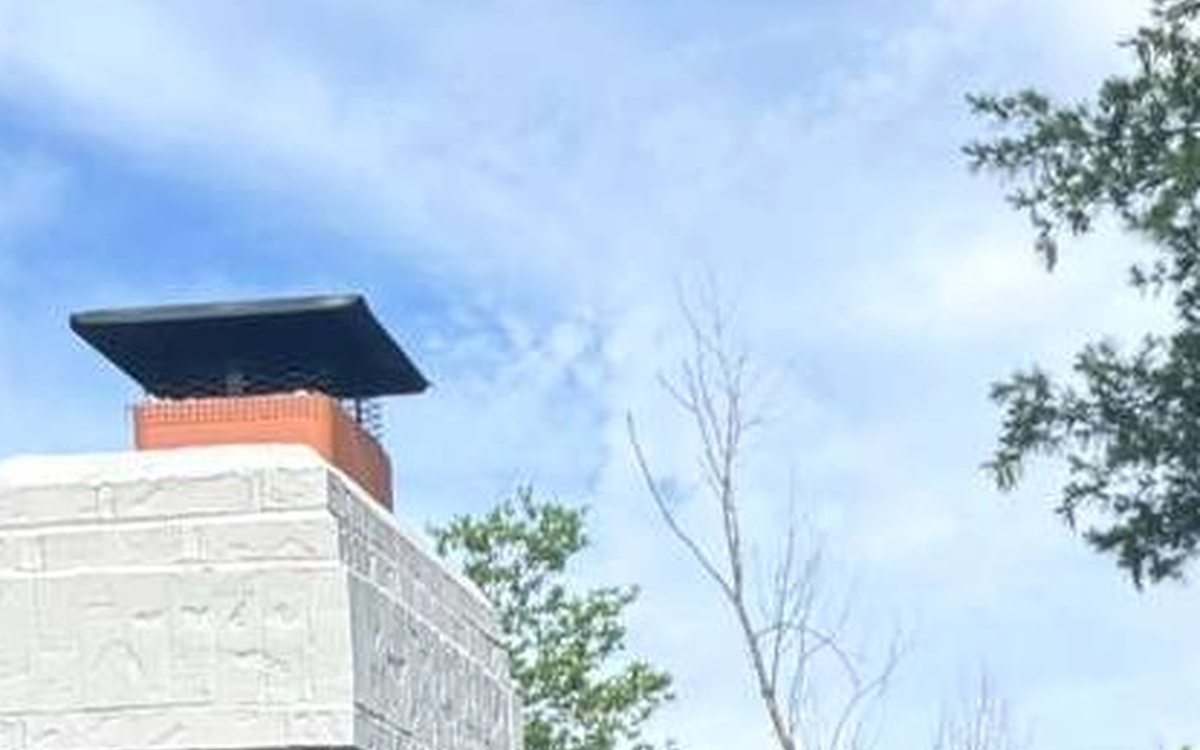
Roofs here contend with strong Hill Country sun, big temperature swings, and hail-prone spring storms. The Hill Country sees some of Texas's most violent spring hail, and Winter Storm Uri in February 2021 pushed Austin-area roofs and pipes past their limits. That history is exactly why the biggest local threat — severe spring hail and flash-flooding thunderstorms — shapes how we detail flashing, choose materials, and protect a Austin / Bee Cave roof from the next event.
Energy-efficient and cool roofing
Cool-roof shingles and reflective coatings bounce sunlight instead of absorbing it, lowering attic temperatures and cooling costs in sun-baked climates. The savings are real over a roof's lifetime, especially where summers are long and hot.
Roof color and curb appeal
Shingle color shifts a home's whole look and even its attic temperature, with lighter tones reflecting more heat. Choosing a color that complements the brick and trim pays off at resale as much as in daily satisfaction.
Metal roofing and how it performs
Standing-seam metal roofs last 40-70 years, shed water and snow efficiently, and reflect heat to cut cooling costs. They cost more up front than asphalt but often pay back through longevity and energy savings, especially on complex or low-slope sections.
Summer heat and your roof
Relentless summer sun and heat dry out asphalt, degrade sealants, and stress every seal on the roof. Good attic ventilation is what keeps that heat from cooking the shingles from below and driving up the cooling bill.
Radiant barriers and attic heat
In hot climates, a radiant barrier reflects the sun's heat away from the attic, easing the load on both the air conditioner and the roof. Combined with good ventilation, it's one of the most cost-effective comfort upgrades in a re-roof.
Permits, code, and insurance in Austin / Bee Cave
The City of Austin and surrounding Hill Country jurisdictions require reroof permits, and steep Hill Country lots and metal roofs are common enough to demand experienced installers. Hail is the dominant claim driver in the Austin area, and impact-resistant shingles plus a recent inspection are the strongest defense and often earn an insurance discount.
Serving Austin / Bee Cave neighborhoods
Trophy Exteriors works throughout Austin / Bee Cave, from Spanish Oaks, Tarrytown, Steiner Ranch, Barton Creek to Rollingwood, and across the communities near Lake Travis, the Barton Creek greenbelt, the Texas Hill Country wineries, and downtown Austin. Every neighborhood has its own mix of roof ages and styles, and a local team gets you an honest, area-specific answer.
Proudly serving Travis County and the Austin / Bee Cave community
Trophy Exteriors is part of the fabric of Austin / Bee Cave in Travis County. We roof homes for families near Westlake High School, Lake Travis High School and Bowie High School, and you'll see our crews around town during ACL and SXSW, Lake Travis boating season, and the Hill Country wine trails. Hiring a local roofer means hiring neighbors who know Austin / Bee Cave — its neighborhoods, its weather, and the way people here expect to be treated.
A local Austin / Bee Cave roofer, here for the long haul
Trophy Exteriors is family-owned and rooted in the community, and we treat Austin / Bee Cave homes like a neighbor's — because they are. That's why our workmanship warranty means something: we'll still be here when you need us, not chasing the next storm three states away.
Frequently Asked Questions
Does shingle color matter?
Yes — lighter shingles reflect more heat and keep attics cooler, and color strongly affects curb appeal and resale, so it's worth coordinating with your brick and trim.
Is a metal roof worth the extra cost?
For homeowners staying long-term, metal's 40-70 year lifespan and energy savings often justify the higher up-front cost. It also sheds water and snow well and resists fire and wind.
How long should my roof last?
Asphalt shingles typically last 20-25 years, metal 40-70, and tile or slate 50-plus. Ventilation, installation quality, and local weather all move that number up or down.
Ready for a free roof inspection?
Honest assessment, no pressure, from a local team that stands behind its work.
Get a Free Inspection


