

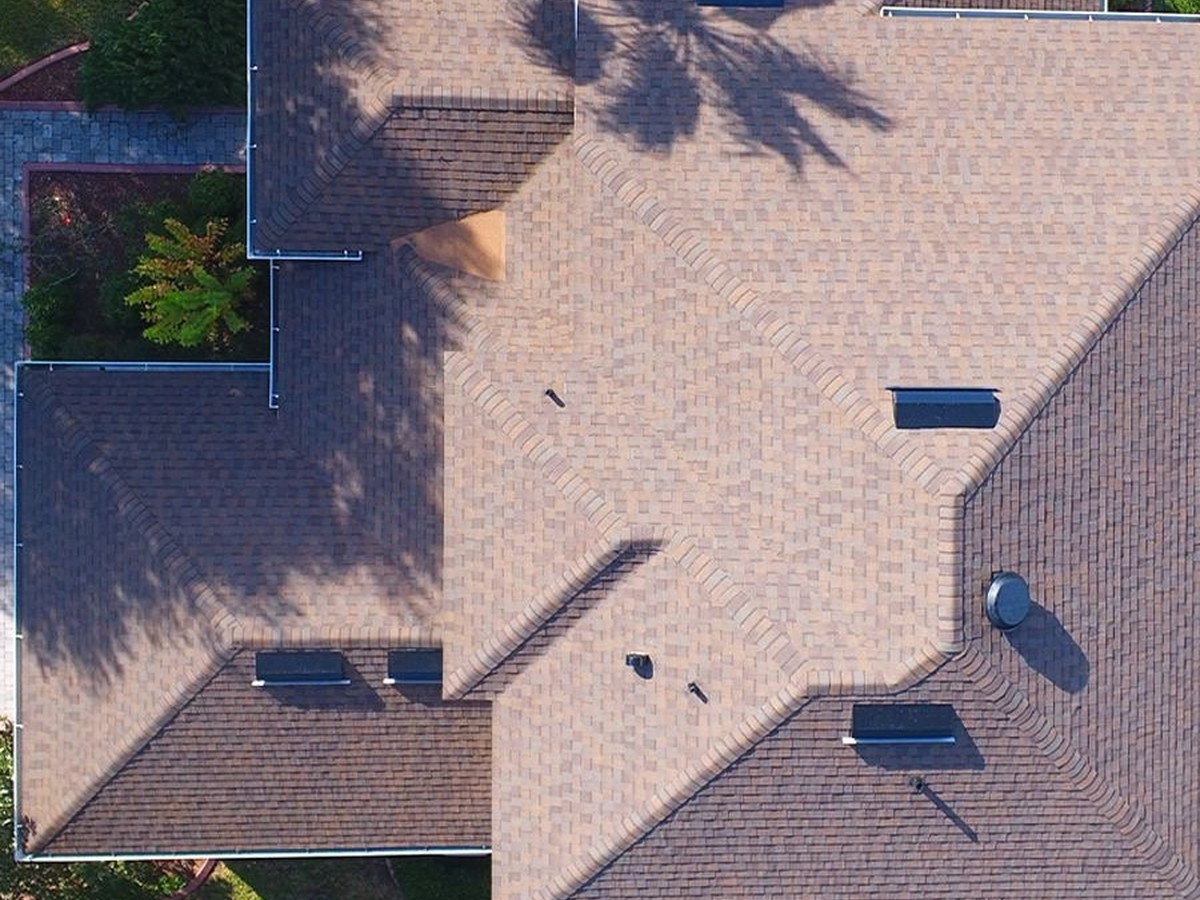
For homeowners across the Texas Hill Country, a roof isn't a generic product — it has to stand up to what Austin / Bee Cave actually throws at it. Near Lake Travis, the Barton Creek greenbelt, the Texas Hill Country wineries, and downtown Austin, Trophy Exteriors builds and inspects every roof for local conditions, not a one-size-fits-all checklist.
What Austin / Bee Cave weather really does to a roof
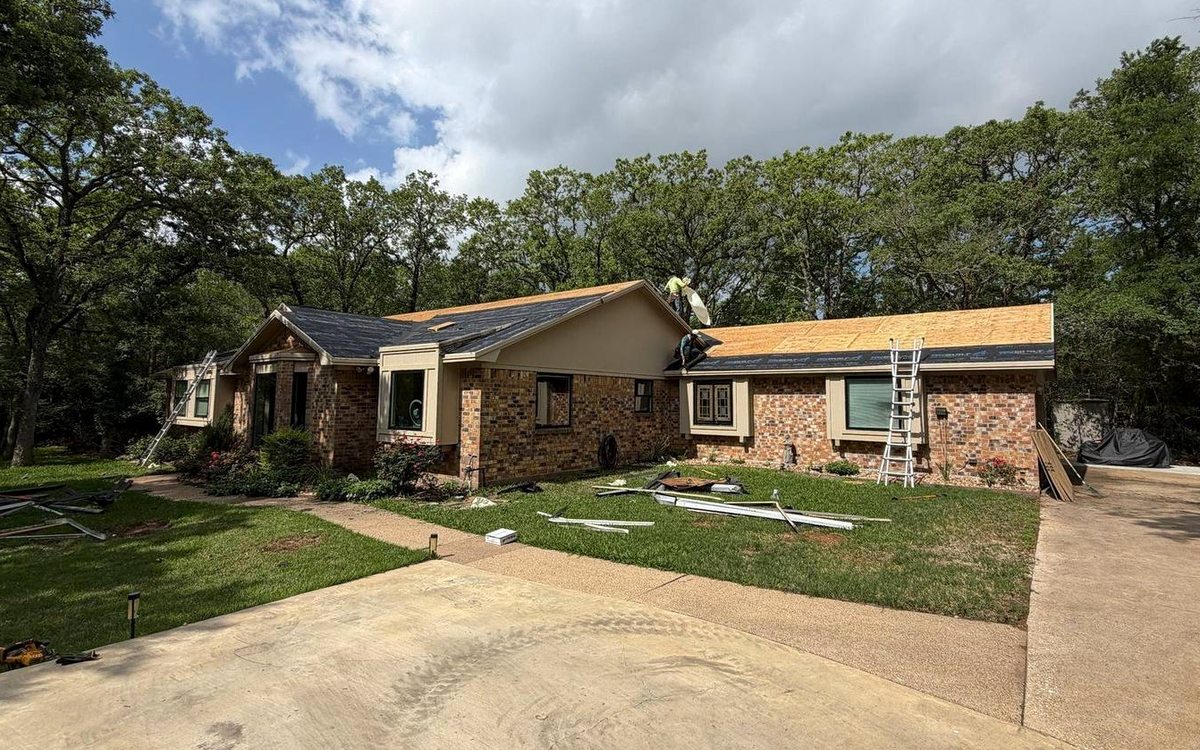
Roofs here contend with strong Hill Country sun, big temperature swings, and hail-prone spring storms. The Hill Country sees some of Texas's most violent spring hail, and Winter Storm Uri in February 2021 pushed Austin-area roofs and pipes past their limits. That history is exactly why the biggest local threat — severe spring hail and flash-flooding thunderstorms — shapes how we detail flashing, choose materials, and protect a Austin / Bee Cave roof from the next event.
Flat and low-slope roof systems
Low-slope and flat roofs use membrane systems such as TPO, EPDM, or PVC rather than shingles. Each has trade-offs in reflectivity, chemical resistance, and lifespan, and seam quality is what ultimately determines whether the roof stays watertight.
Commercial and flat-roof considerations
Commercial and low-slope buildings rely on membrane systems and drainage design rather than shingles, and standing water is the enemy. Regular inspection of seams, flashings, and drains keeps a commercial roof from becoming a budget emergency.
The value of an annual inspection
An annual professional inspection catches small problems, such as lifted flashing or a cracked boot, while they are still cheap repairs rather than ceiling stains. It also creates a documented history of your roof's condition that helps with future insurance claims.
Low-slope sections on a house
Many homes have a porch or addition with a low slope that ordinary shingles can't waterproof. These sections need a membrane or a modified system, and mixing them correctly with the steep roof is where leaks often start.
TPO, EPDM, and PVC membranes
On low-slope roofs, TPO offers reflectivity and heat-welded seams, EPDM is a durable rubber that handles temperature swings, and PVC resists chemicals and grease. The right choice depends on the building's exposure and budget.
Permits, code, and insurance in Austin / Bee Cave
The City of Austin and surrounding Hill Country jurisdictions require reroof permits, and steep Hill Country lots and metal roofs are common enough to demand experienced installers. Hail is the dominant claim driver in the Austin area, and impact-resistant shingles plus a recent inspection are the strongest defense and often earn an insurance discount.
Serving Austin / Bee Cave neighborhoods
Trophy Exteriors works throughout Austin / Bee Cave, from Lakeway, Spanish Oaks, Barton Creek, Tarrytown to West Lake Hills, and across the communities near Lake Travis, the Barton Creek greenbelt, the Texas Hill Country wineries, and downtown Austin. Every neighborhood has its own mix of roof ages and styles, and a local team gets you an honest, area-specific answer.
Proudly serving Travis County and the Austin / Bee Cave community
Trophy Exteriors is part of the fabric of Austin / Bee Cave in Travis County. We roof homes for families near Westlake High School, Lake Travis High School and Bowie High School, and you'll see our crews around town during ACL and SXSW, Lake Travis boating season, and the Hill Country wine trails. Hiring a local roofer means hiring neighbors who know Austin / Bee Cave — its neighborhoods, its weather, and the way people here expect to be treated.
A local Austin / Bee Cave roofer, here for the long haul
Trophy Exteriors is family-owned and rooted in the community, and we treat Austin / Bee Cave homes like a neighbor's — because they are. That's why our workmanship warranty means something: we'll still be here when you need us, not chasing the next storm three states away.
Frequently Asked Questions
What's the best roofing material?
There's no single best material: it depends on your budget, roof slope, climate, and how long you'll stay in the home. Asphalt wins on value, metal on longevity, and tile or slate on lifespan and looks.
How long should my roof last?
Asphalt shingles typically last 20-25 years, metal 40-70, and tile or slate 50-plus. Ventilation, installation quality, and local weather all move that number up or down.
Is a roof inspection really free?
Reputable roofers, including Trophy Exteriors, offer free inspections with no obligation. Be cautious of anyone who charges for a basic inspection or pressures you to sign a contract on the spot.
Ready for a free roof inspection?
Honest assessment, no pressure, from a local team that stands behind its work.
Get a Free Inspection


