

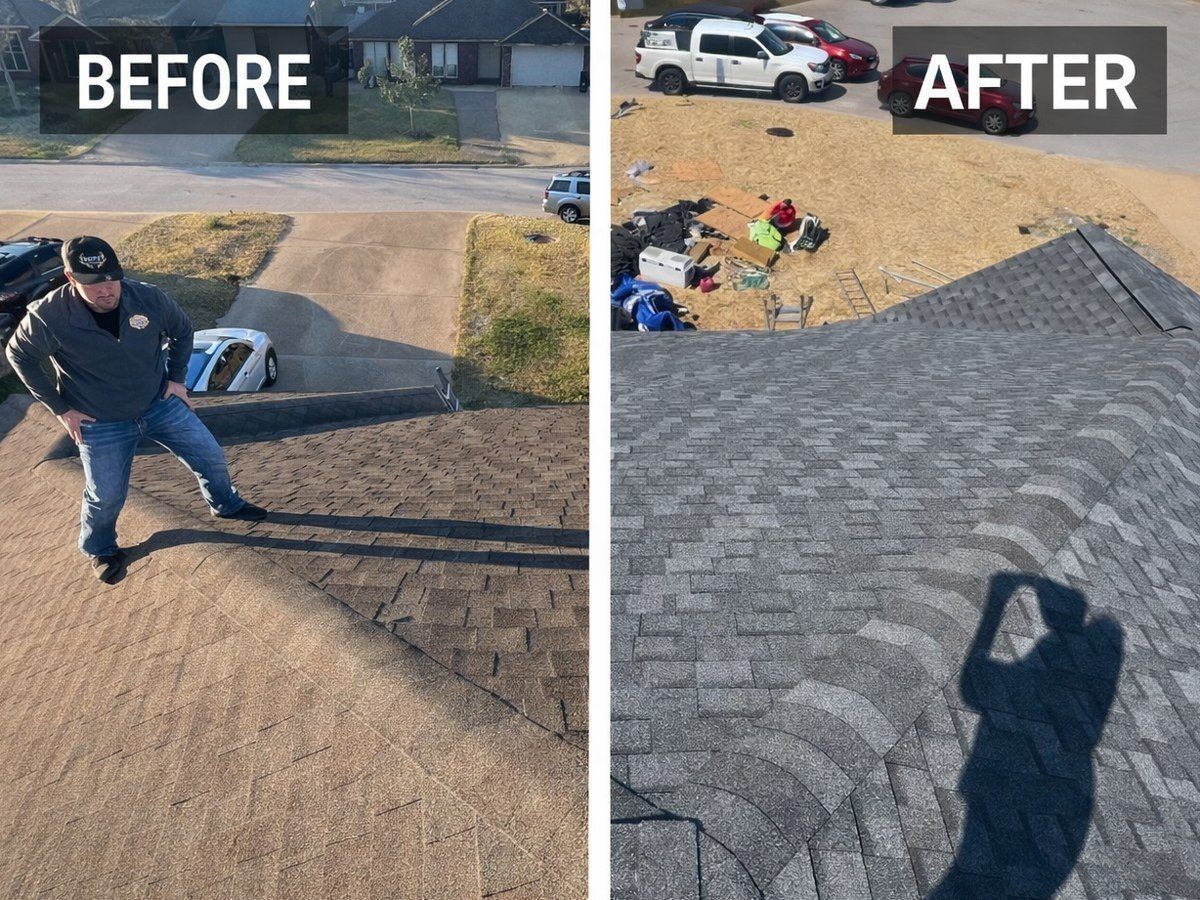
For homeowners across Southeast Texas and the Golden Triangle, a roof isn't a generic product — it has to stand up to what Beaumont actually throws at it. Near the Neches River, the historic Calder Avenue district, and the refineries and wetlands of the upper Gulf Coast, Trophy Exteriors builds and inspects every roof for local conditions, not a one-size-fits-all checklist.
What Beaumont weather really does to a roof
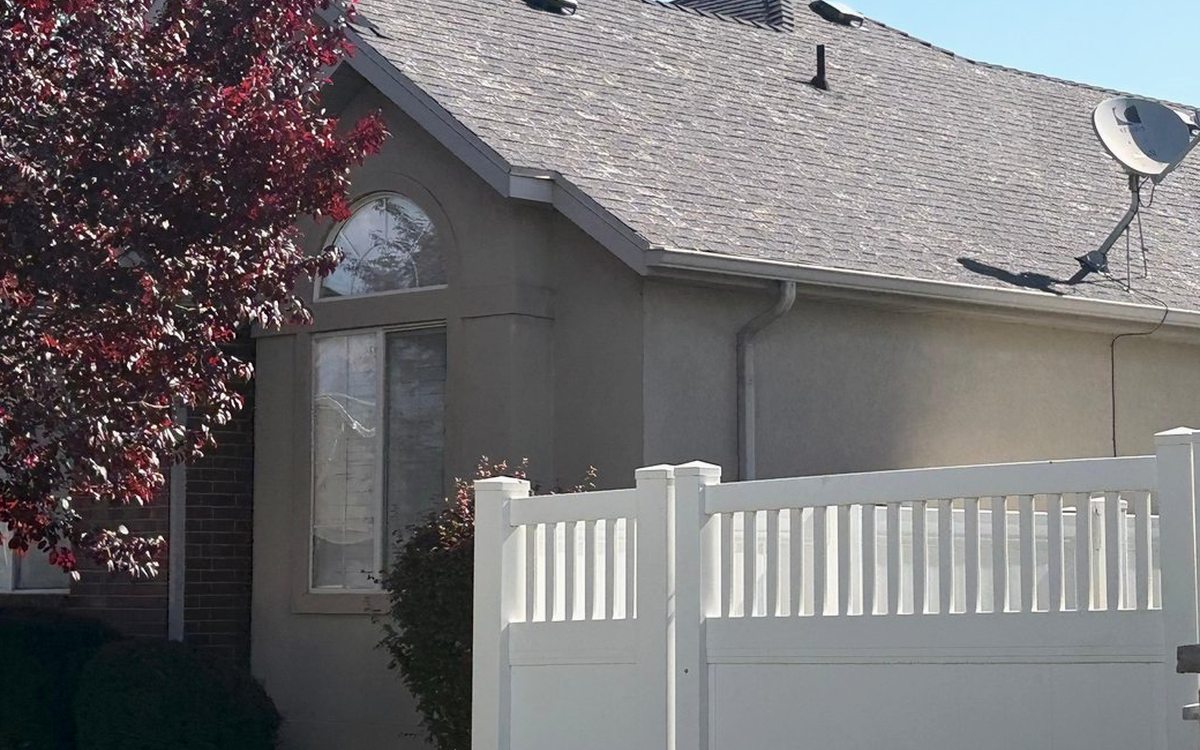
Roofs here contend with high humidity, salt air, and some of the heaviest rainfall totals in Texas. The Golden Triangle takes direct hits — Hurricane Rita in 2005, Harvey in 2017, and Laura in 2020 — so Beaumont roofs must be built and inspected for hurricane-force wind and rain. That history is exactly why the biggest local threat — direct Gulf hurricane and tropical-storm strikes with extreme wind and rain — shapes how we detail flashing, choose materials, and protect a Beaumont roof from the next event.
How to spot hail damage
Hail bruising often isn't visible from the ground: look for dented gutters and downspouts, dinged soft metals, and dark spots where the protective granules have been knocked off the shingle. A professional inspection confirms whether the damage is cosmetic or structural.
Wind damage and what it looks like
Wind lifts and creases shingles, breaks their seal, and tears them off entirely at the edges and ridges. Even shingles that look intact can have a broken seal that lets the next storm drive rain underneath, which is why a post-storm inspection matters.
Avoiding post-storm roofing scams
After a big storm, out-of-town 'storm chasers' flood neighborhoods, pressure homeowners to sign on the spot, and sometimes vanish with the deposit. Work with an established local company, never pay in full up front, and be wary of anyone offering to waive your deductible, which is illegal in Texas.
Navigating a storm insurance claim
A clean claim starts with dated photos of the damage, a professional inspection report, and a roofer willing to meet your adjuster on-site so nothing gets missed. Good documentation is the difference between a fully-funded replacement and a frustrating denial.
Emergency steps after roof damage
If a storm opens your roof, a professional emergency tarp buys time and prevents interior damage while the claim is processed. Move valuables away from active leaks, photograph everything, and call a roofer before water reaches the ceiling and drywall.
Permits, code, and insurance in Beaumont
Southeast Texas near the coast falls under windstorm considerations, and proper installation documentation matters for both code compliance and insurability. With repeated hurricane exposure, Beaumont homeowners benefit most from wind-rated installation, documented roof condition, and fast post-storm inspections.
Serving Beaumont neighborhoods
Trophy Exteriors works throughout Beaumont, from Idylwild, the Oaks Historic District, West End, Dowlen West to Pinewood, and across the communities near the Neches River, the historic Calder Avenue district, and the refineries and wetlands of the upper Gulf Coast. Every neighborhood has its own mix of roof ages and styles, and a local team gets you an honest, area-specific answer.
Proudly serving Jefferson County and the Beaumont community
Trophy Exteriors is part of the fabric of Beaumont in Jefferson County. We roof homes for families near West Brook High School and Beaumont United High School, and you'll see our crews around town during the South Texas State Fair, Mardi Gras Southeast Texas, and Friday-night football. Hiring a local roofer means hiring neighbors who know Beaumont — its neighborhoods, its weather, and the way people here expect to be treated.
A local Beaumont roofer, here for the long haul
Trophy Exteriors is family-owned and rooted in the community, and we treat Beaumont homes like a neighbor's — because they are. That's why our workmanship warranty means something: we'll still be here when you need us, not chasing the next storm three states away.
Frequently Asked Questions
When should Beaumont homeowners inspect their roof for fall?
Now — late summer is the ideal window. It's after peak summer heat and before fall and winter storms, giving you time to fix weak spots. Most damage isn't visible from the ground, so a professional inspection is worth it.
Why inspect if I don't see any damage?
Because hail bruising, lifted shingles, and worn flashing usually aren't visible from the ground, and small issues turn into expensive leaks once storms hit. A free inspection gives you peace of mind or a head start on repairs.
Get a free pre-season inspection
Honest estimates and a local team that answers the phone.
Get a Free Inspection


