

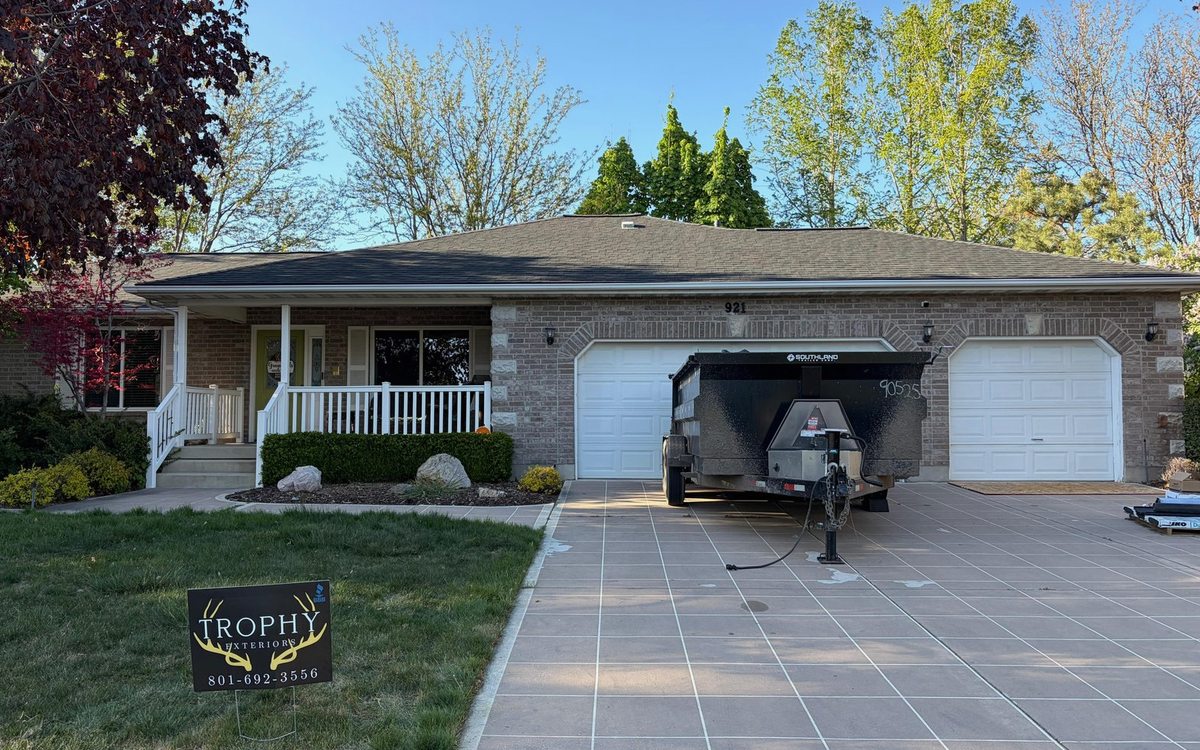
For homeowners across the Billings area and Yellowstone County, a roof isn't a generic product — it has to stand up to what Billings actually throws at it. Near the Rimrocks, the Yellowstone River, and the Beartooth Mountains on the horizon, Trophy Exteriors builds and inspects every roof for local conditions, not a one-size-fits-all checklist.
What Billings weather really does to a roof
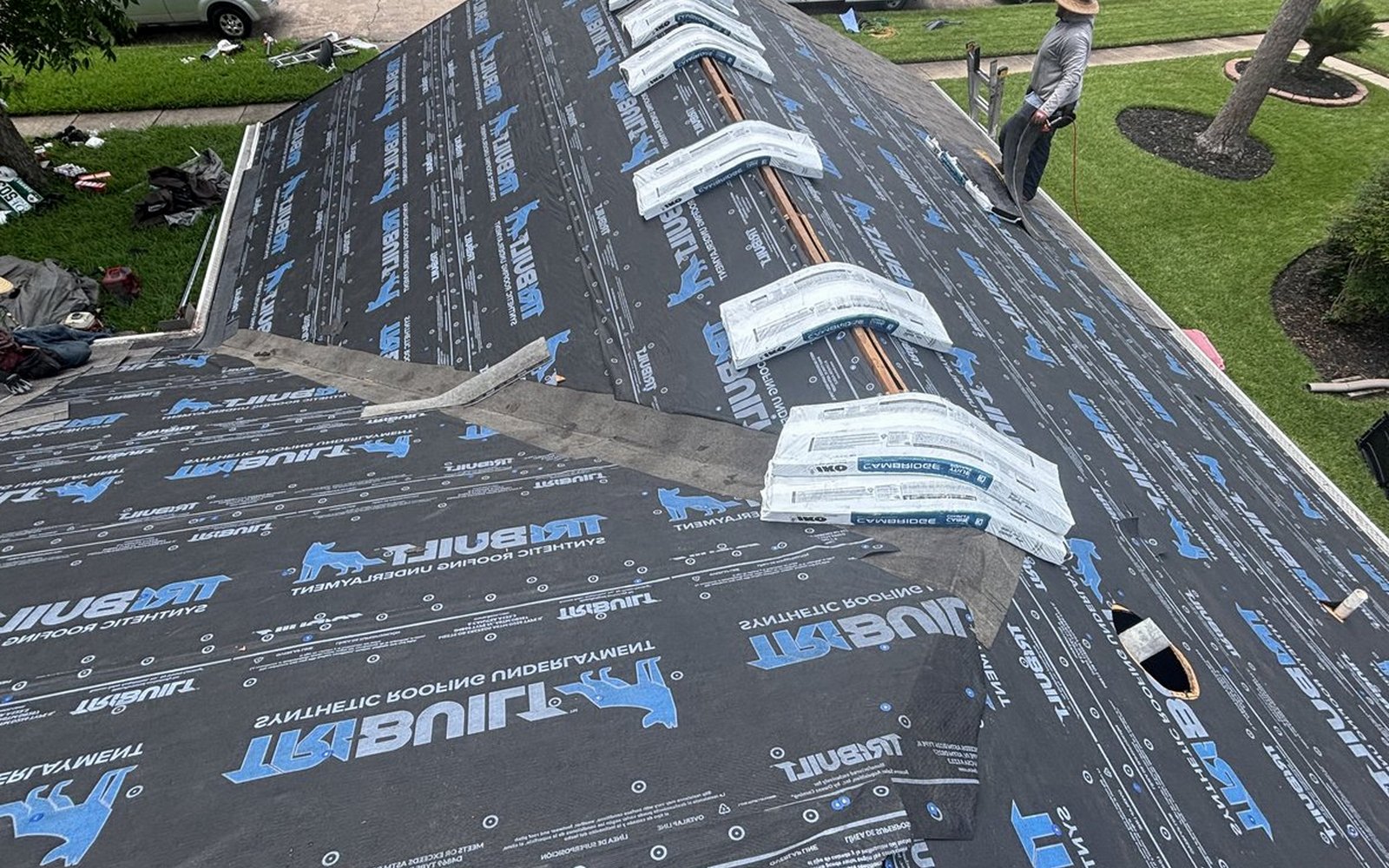
Roofs here contend with cold, snowy winters, intense UV at altitude, and freeze-thaw cycles that crack aging roofs. Billings sits in Montana's hail country; the June 2010 storm was the state's costliest on record, and chinook winds plus heavy winter snow load test roofs all season. That history is exactly why the biggest local threat — high-plains hail, powerful chinook winds, and heavy snow load — shapes how we detail flashing, choose materials, and protect a Billings roof from the next event.
What actually drives roof-replacement cost
Roof price is driven by size (measured in squares), pitch, complexity, material, tear-off of old layers, and the condition of the decking underneath. Two homes of the same square footage can price very differently once slope and access are factored in.
What a 'square' means in roofing
Roofers price in squares, where one square equals 100 square feet of roof surface. Knowing your roof's square count and pitch helps you understand estimates and compare bids on an apples-to-apples basis.
Flat and low-slope roof systems
Low-slope and flat roofs use membrane systems such as TPO, EPDM, or PVC rather than shingles. Each has trade-offs in reflectivity, chemical resistance, and lifespan, and seam quality is what ultimately determines whether the roof stays watertight.
Permits, code, and insurance in Billings
The City of Billings and Yellowstone County require reroof permits, and Montana code accounts for heavy snow load and wind, so decking, fastening, and ventilation are inspected closely. Between high-plains hail and snow load, Billings roofs earn their keep — metal performs well here, and a documented inspection helps with both hail and wind claims.
Serving Billings neighborhoods
Trophy Exteriors works throughout Billings, from Ironwood, The Rims, Josephine Crossing, Briarwood to Blue Creek, and across the communities near the Rimrocks, the Yellowstone River, and the Beartooth Mountains on the horizon. Every neighborhood has its own mix of roof ages and styles, and a local team gets you an honest, area-specific answer.
Proudly serving Yellowstone County and the Billings community
Trophy Exteriors is part of the fabric of Billings in Yellowstone County. We roof homes for families near Billings West High School, Billings Senior High School and Billings Skyview High School, and you'll see our crews around town during MontanaFair, the Magic City Blues festival, and Beartooth Highway summers. Hiring a local roofer means hiring neighbors who know Billings — its neighborhoods, its weather, and the way people here expect to be treated.
A local Billings roofer, here for the long haul
Trophy Exteriors is family-owned and rooted in the community, and we treat Billings homes like a neighbor's — because they are. That's why our workmanship warranty means something: we'll still be here when you need us, not chasing the next storm three states away.
Frequently Asked Questions
How much does a new roof cost?
Cost depends on the roof's size, slope, material, and complexity, plus whether the old roof needs tear-off and any decking repairs. The most reliable number comes from a free, itemized inspection and estimate rather than a phone quote.
What's the best roofing material?
There's no single best material: it depends on your budget, roof slope, climate, and how long you'll stay in the home. Asphalt wins on value, metal on longevity, and tile or slate on lifespan and looks.
How long does a roof replacement take?
Most residential roofs are replaced in one to three days depending on size, pitch, and weather. Larger or more complex roofs take longer, and your roofer should give you a clear timeline before work begins.
Ready for a free roof inspection?
Honest assessment, no pressure, from a local team that stands behind its work.
Get a Free Inspection


