

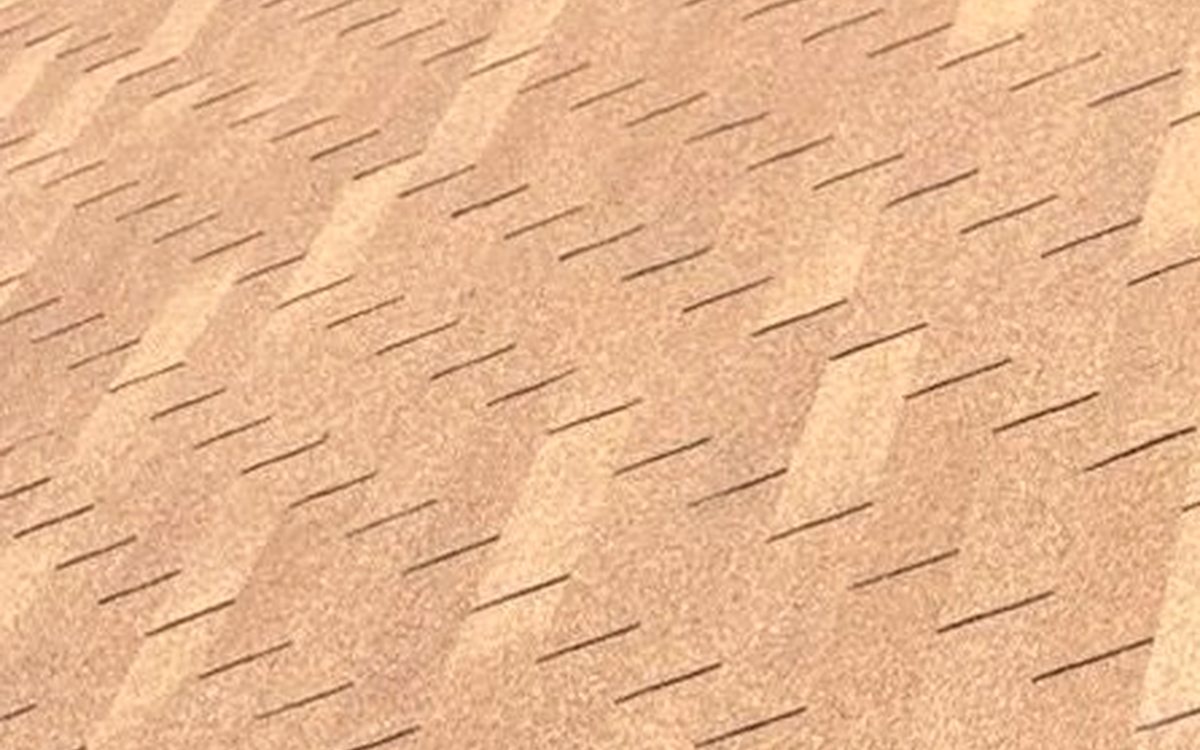
For homeowners across the Billings area and Yellowstone County, a roof isn't a generic product — it has to stand up to what Billings actually throws at it. Near the Rimrocks, the Yellowstone River, and the Beartooth Mountains on the horizon, Trophy Exteriors builds and inspects every roof for local conditions, not a one-size-fits-all checklist.
What Billings weather really does to a roof
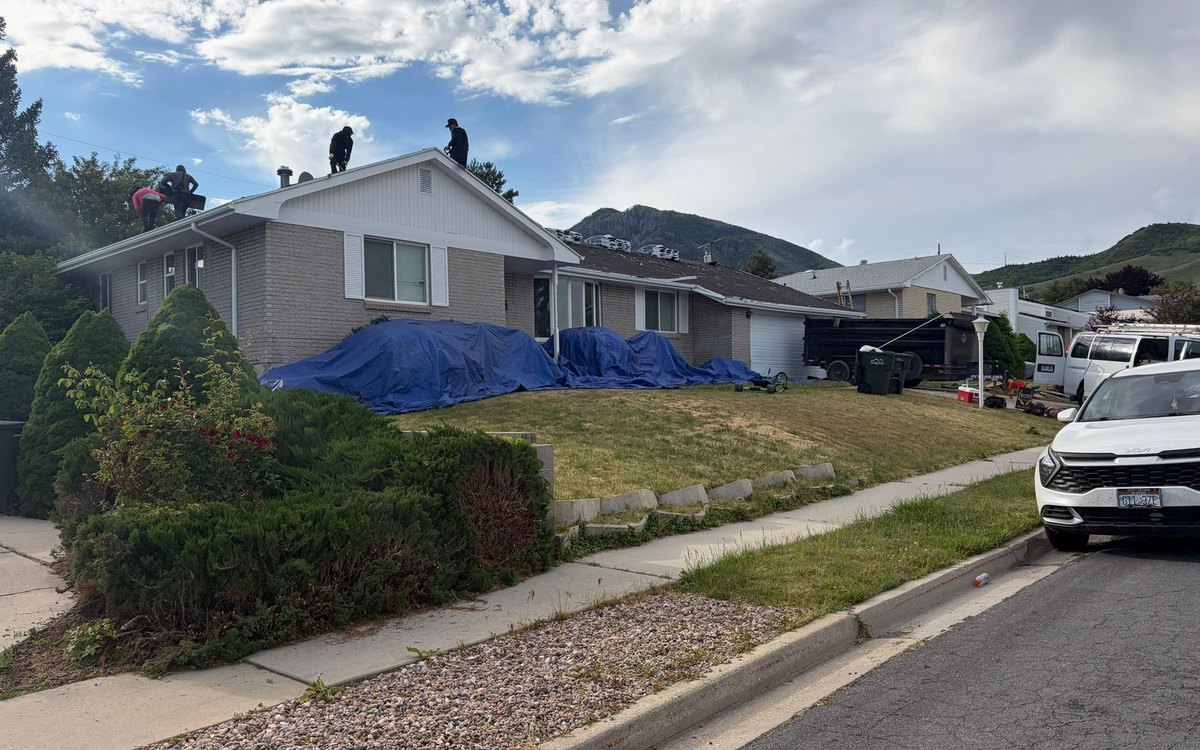
Roofs here contend with cold, snowy winters, intense UV at altitude, and freeze-thaw cycles that crack aging roofs. Billings sits in Montana's hail country; the June 2010 storm was the state's costliest on record, and chinook winds plus heavy winter snow load test roofs all season. That history is exactly why the biggest local threat — high-plains hail, powerful chinook winds, and heavy snow load — shapes how we detail flashing, choose materials, and protect a Billings roof from the next event.
What a real inspection covers
A thorough inspection examines the shingles, flashing, penetrations, and gutters from the roof, then checks the attic for stains, daylight, and ventilation. You should come away with photos, a plain-English assessment, and a straight recommendation, not a high-pressure sales pitch.
Repair or replace: how to decide
A few missing shingles or a single worn flashing is a repair; widespread damage, multiple leaks, or a roof near the end of its life points to replacement. An honest inspection tells you which side of that line you're on instead of guessing.
How to spot hail damage
Hail bruising often isn't visible from the ground: look for dented gutters and downspouts, dinged soft metals, and dark spots where the protective granules have been knocked off the shingle. A professional inspection confirms whether the damage is cosmetic or structural.
Flashing: where most leaks begin
The metal flashing around chimneys, vents, skylights, and wall transitions is where the majority of roof leaks start. Flashing that is rusted, lifted, or sealed with cracked caulk should be repaired before wind-driven rain finds the gap.
Attic ventilation done right
A balanced ventilation system pulls cool air in at the soffits and exhausts hot air at the ridge, keeping the attic near outdoor temperature. That balance protects the shingles, prevents moisture buildup, and is often required to keep the manufacturer's warranty valid.
Permits, code, and insurance in Billings
The City of Billings and Yellowstone County require reroof permits, and Montana code accounts for heavy snow load and wind, so decking, fastening, and ventilation are inspected closely. Between high-plains hail and snow load, Billings roofs earn their keep — metal performs well here, and a documented inspection helps with both hail and wind claims.
Serving Billings neighborhoods
Trophy Exteriors works throughout Billings, from Ironwood, Briarwood, The Rims, Canyon Creek to Yellowstone Country Club, and across the communities near the Rimrocks, the Yellowstone River, and the Beartooth Mountains on the horizon. Every neighborhood has its own mix of roof ages and styles, and a local team gets you an honest, area-specific answer.
Proudly serving Yellowstone County and the Billings community
Trophy Exteriors is part of the fabric of Billings in Yellowstone County. We roof homes for families near Billings West High School, Billings Senior High School and Billings Skyview High School, and you'll see our crews around town during MontanaFair, the Magic City Blues festival, and Beartooth Highway summers. Hiring a local roofer means hiring neighbors who know Billings — its neighborhoods, its weather, and the way people here expect to be treated.
A local Billings roofer, here for the long haul
Trophy Exteriors is family-owned and rooted in the community, and we treat Billings homes like a neighbor's — because they are. That's why our workmanship warranty means something: we'll still be here when you need us, not chasing the next storm three states away.
Frequently Asked Questions
Is a roof inspection really free?
Reputable roofers, including Trophy Exteriors, offer free inspections with no obligation. Be cautious of anyone who charges for a basic inspection or pressures you to sign a contract on the spot.
When should I get my roof inspected?
At least once a year, and again after any major storm. Catching damage early keeps a small repair from becoming an interior leak, and creates a dated record of your roof's condition.
What are the signs I need a new roof?
Curling or missing shingles, granules in the gutters, dark worn patches, a sagging roofline, and daylight or stains in the attic are the classic warning signs. Several of these together usually mean replacement.
Ready for a free roof inspection?
Honest assessment, no pressure, from a local team that stands behind its work.
Get a Free Inspection


