

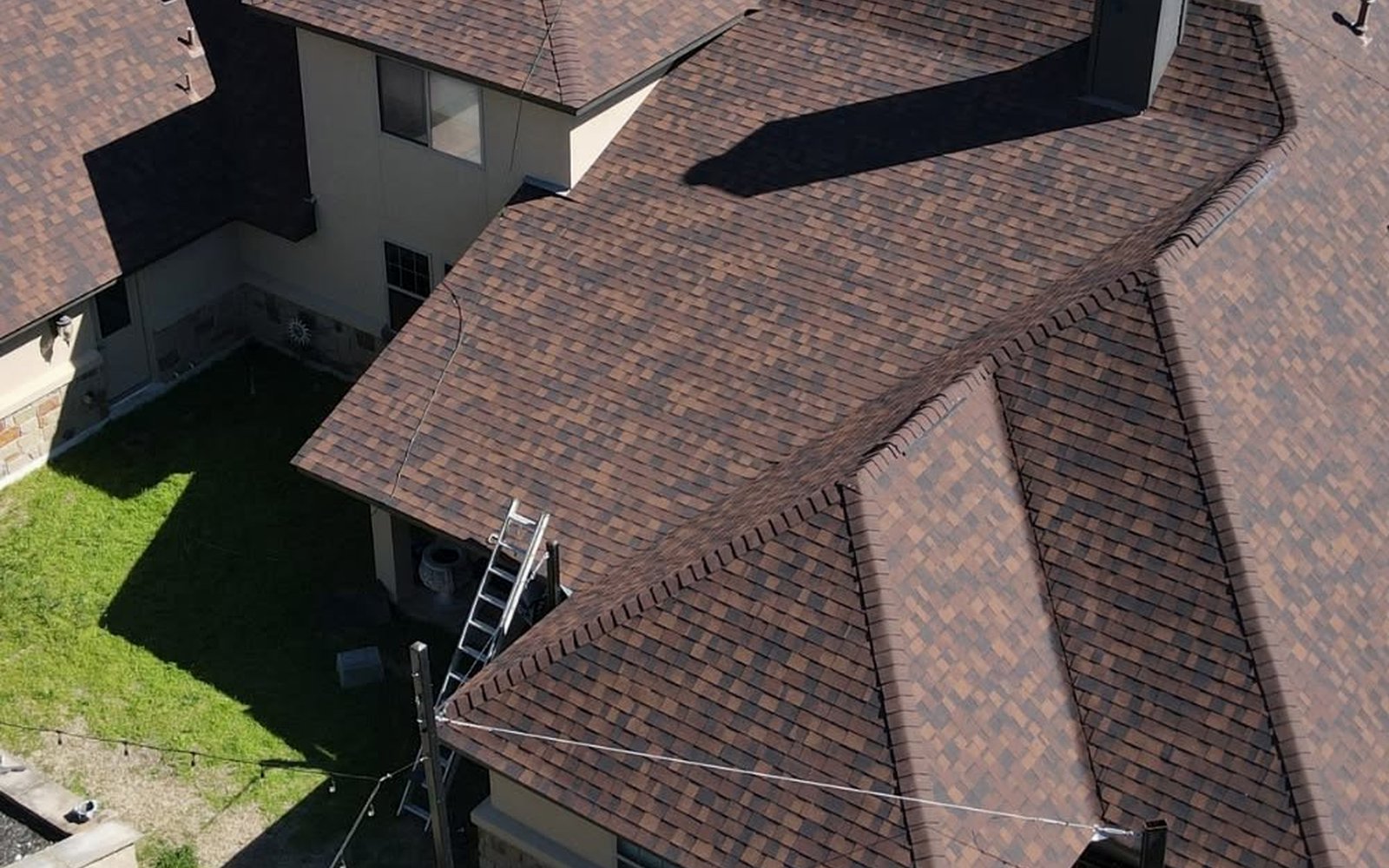
Southwood Valley is one of College Station's older, most established neighborhoods, spread out south of Harvey Mitchell Parkway with mature oaks shading streets that have been here for decades. Most homes here were built between the 1970s and the 1990s, which means a lot of these roofs are on their second or even third replacement. If you own here, your roof questions are different from someone in a brand-new subdivision, and this guide is written for the house you actually own.
What material makes sense on an older College Station home
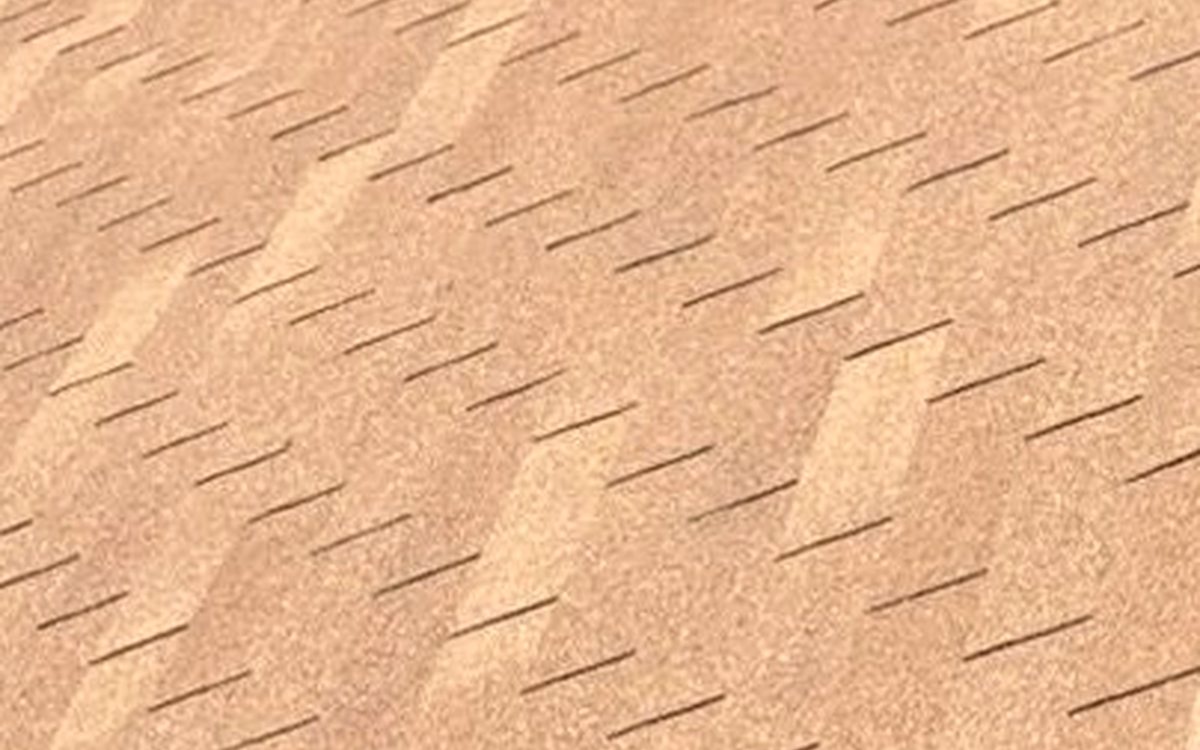
Almost every home in Southwood Valley wears asphalt shingles, and that is still the right call. The upgrade worth making is moving from the thin three-tab shingles that were common when these houses were built to a modern architectural shingle. Architectural shingles are thicker, they lay flatter on an older roof deck that may have small waves in it, and they carry much better wind ratings. If hail is on your mind, ask about a Class 4 impact-resistant shingle. It costs more up front, but it stands up to the hail we get in the Brazos Valley and many insurance companies give a discount for having it.
Older roofs hide older problems
Here is the honest part about roofing a house built in 1985. When we tear off an old roof in Southwood Valley, we regularly find things nobody could see from the ground: decking boards that have gone soft near the chimney, layers of old shingles that were never removed, pipe boots that cracked years ago and have been quietly leaking into the attic, and flashing that was caulked instead of properly replaced. None of that shows up on a driveway estimate. It shows up on tear-off day. A good roofer tells you this before the job starts and gives you a clear per-sheet price for replacing bad decking so there is no surprise conversation on the roof.
Shade trees are a mixed blessing
The big oaks and pecans that make Southwood Valley beautiful are also hard on roofs. Limbs that rub shingles wear the protective granules off in a stripe. Leaves pile in valleys and behind chimneys, hold water against the shingles, and feed the black algae streaking you see on so many north-facing slopes here. Acorns and small branches dent soft metal. If you have trees over your roof, trimming branches back six to ten feet from the surface and keeping the gutters clear does more for your roof's lifespan than almost anything else you can pay for.
Ventilation is usually the weak spot
Homes of this era in College Station were often built with too little attic ventilation, and then owners added insulation over the years that blocked the soffit vents at the eaves. The result is an attic that runs brutally hot through our long summers, which cooks the shingles from underneath and shortens their life by years. When we inspect a Southwood Valley attic, we are looking for whether air can actually get in low at the soffits and out high at the ridge. Fixing that during a replacement costs very little compared to the roof itself and it protects the money you just spent.
What a proper replacement includes here
A complete job on one of these homes means a full tear-off down to the deck, not another layer over the old shingles. It means replacing any decking that has gone soft, new synthetic underlayment, ice-and-water membrane in the valleys and around every penetration, new drip edge, new pipe boots instead of caulking the old ones, properly integrated flashing where the roof meets walls and the chimney, and a balanced ventilation system. It ends with a magnetic sweep of the yard and driveway, which matters on these lots where kids and dogs are out all day.
Choosing someone to do the work
Ask any roofer you are considering three specific questions: what happens if you find bad decking, will you tear off completely or go over the existing shingles, and what does your workmanship warranty actually cover. A local company that will still be in College Station in five years is worth more than the lowest bid from a crew that showed up after the last hailstorm. Trophy Exteriors is based here, we work these streets regularly, and our inspections are free with no pressure attached.
Frequently Asked Questions
How old is too old for a roof in Southwood Valley?
Most asphalt roofs in College Station last roughly 20 to 25 years in our heat. If your roof is past 20 years, or you are the second owner and do not know its age, a free inspection will tell you where it actually stands rather than guessing.
Will my insurance cover a roof replacement on an older home?
If the damage came from a covered event like hail or wind, age alone does not disqualify you, though some policies pay actual cash value on older roofs rather than full replacement cost. We document the damage thoroughly so your claim is evaluated on the facts.
Do I have to remove the old shingles?
On these older Southwood Valley homes, yes. Going over existing shingles hides decking problems, adds weight, shortens the life of the new roof, and can void the manufacturer warranty. A full tear-off is the right call.
How much does a new roof cost in Southwood Valley?
It depends on the size and pitch of your roof, the shingle you choose, and how much decking needs replacing. Because these are older homes with real variation, an on-site measurement is the only way to get an honest number.
Talk to a roofer who works here
Own a home in Southwood Valley and wondering how much life is left in your roof? Trophy Exteriors will climb up, take photos, and give you a straight answer with no pressure. Call 979-217-2748 for a free College Station inspection.
More for College Station homeowners: College Station roofing · Roof replacement in College Station · Free roof inspection in College Station


