

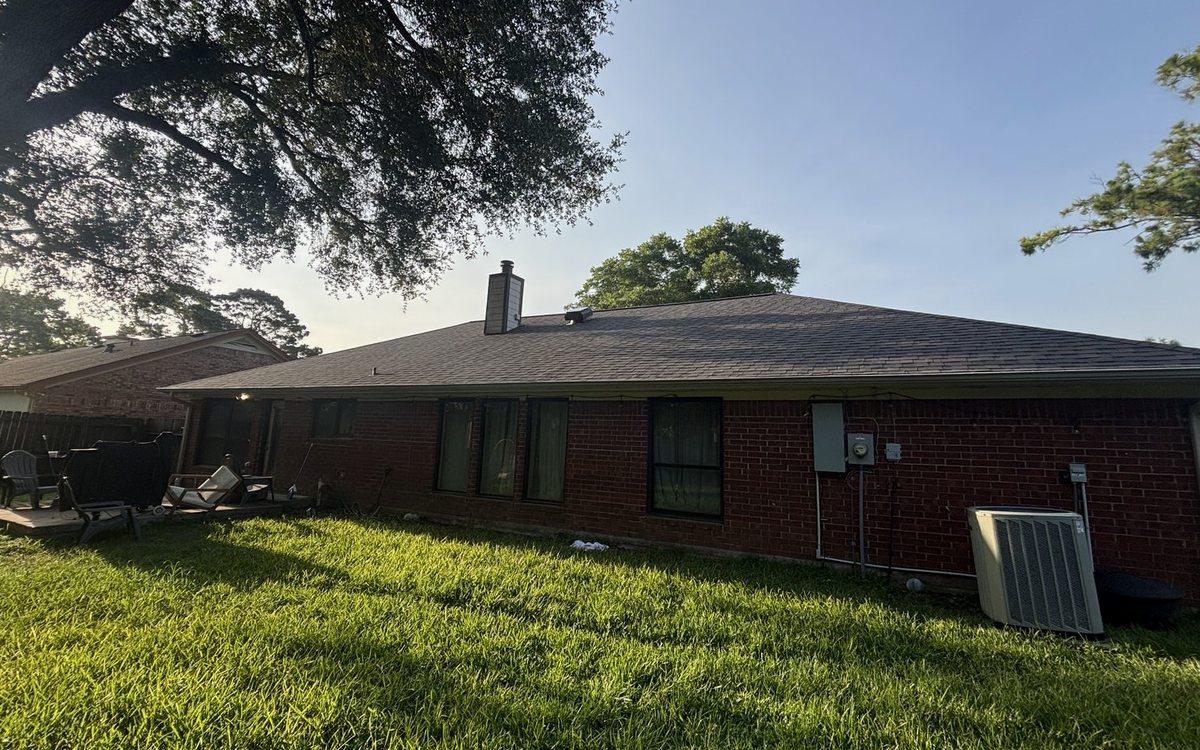
For homeowners across south and west Houston, a roof isn't a generic product — it has to stand up to what Houston actually throws at it. Near the Texas Medical Center, Rice University, Memorial Park, and the Buffalo Bayou corridor, Trophy Exteriors builds and inspects every roof for local conditions, not a one-size-fits-all checklist.
What Houston weather really does to a roof
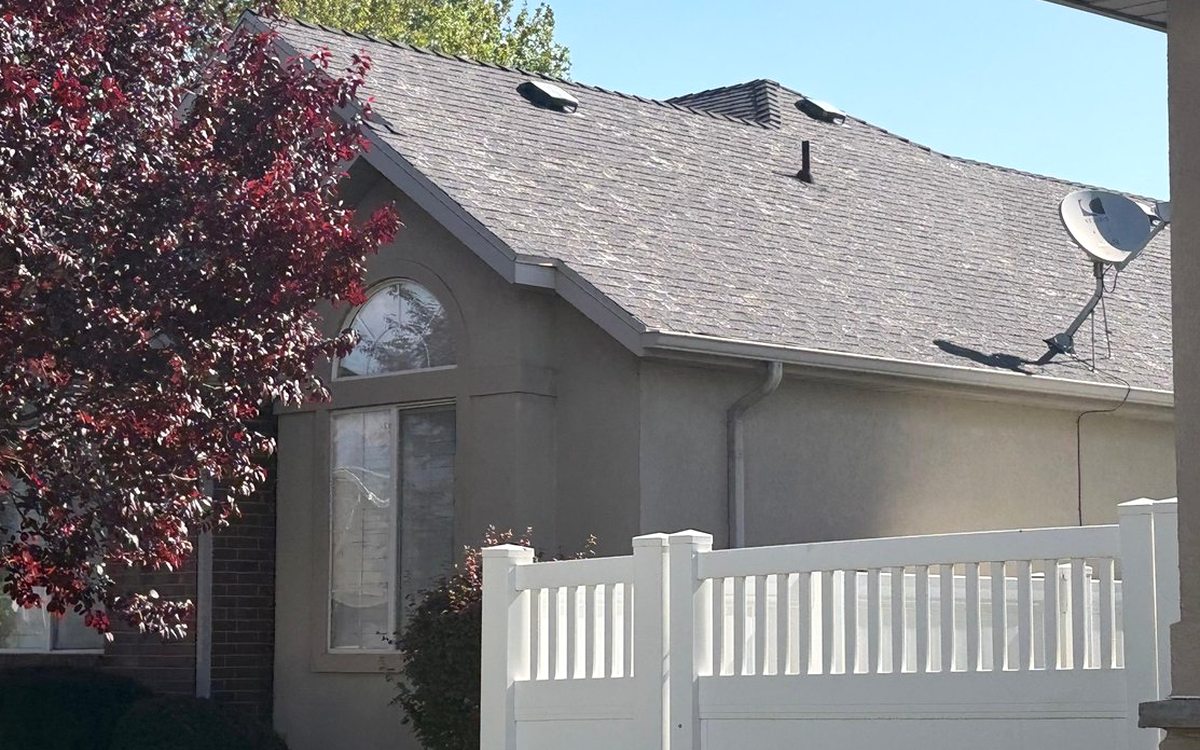
Roofs here contend with intense heat, humidity, and heavy Gulf downpours that punish flashing and seals. Hurricane Harvey in 2017 showed south and west Houston exactly what wind-driven rain does to a compromised roof, and hard spring hail is a near-annual event across the Inner Loop. That history is exactly why the biggest local threat — hurricane-season wind and wind-driven rain, plus hard spring hail — shapes how we detail flashing, choose materials, and protect a Houston roof from the next event.
The value of an annual inspection
An annual professional inspection catches small problems, such as lifted flashing or a cracked boot, while they are still cheap repairs rather than ceiling stains. It also creates a documented history of your roof's condition that helps with future insurance claims.
Moss, lichen, and shaded roofs
On heavily shaded roofs, moss and lichen hold moisture against the shingles and work their roots under them. Trimming back overhanging branches to let sun and air in is the best long-term defense against organic growth.
Wind damage and what it looks like
Wind lifts and creases shingles, breaks their seal, and tears them off entirely at the edges and ridges. Even shingles that look intact can have a broken seal that lets the next storm drive rain underneath, which is why a post-storm inspection matters.
Clearing valleys and debris
Leaves and needles that collect in roof valleys trap moisture against the surface and block the path water needs to drain. Clearing debris, safely or with a professional, keeps water moving and prevents the slow rot that leads to leaks.
Trees, limbs, and your roof
Overhanging limbs scrape shingles, drop debris into valleys, and become projectiles in a storm. Keeping branches trimmed back from the roof is simple insurance against both slow wear and sudden damage.
Permits, code, and insurance in Houston
The City of Houston requires a permit for reroofing, and low-slope porch and patio sections common on Houston homes need a membrane system rather than shingles. With hurricane and hail exposure both in play, Houston homeowners benefit from a documented pre-storm roof condition and a roofer who meets the adjuster on-site.
Serving Houston neighborhoods
Trophy Exteriors works throughout Houston, from Southampton, Memorial Villages, Braeswood Place, River Oaks to West University, and across the communities near the Texas Medical Center, Rice University, Memorial Park, and the Buffalo Bayou corridor. Every neighborhood has its own mix of roof ages and styles, and a local team gets you an honest, area-specific answer.
Proudly serving Harris County and the Houston community
Trophy Exteriors is part of the fabric of Houston in Harris County. We roof homes for families near Bellaire High School, Lamar High School and Memorial High School, and you'll see our crews around town during the Houston Livestock Show and Rodeo, the Bayou City Art Festival, and Friday-night high school football. Hiring a local roofer means hiring neighbors who know Houston — its neighborhoods, its weather, and the way people here expect to be treated.
A local Houston roofer, here for the long haul
Trophy Exteriors is family-owned and rooted in the community, and we treat Houston homes like a neighbor's — because they are. That's why our workmanship warranty means something: we'll still be here when you need us, not chasing the next storm three states away.
Frequently Asked Questions
When should I get my roof inspected?
At least once a year, and again after any major storm. Catching damage early keeps a small repair from becoming an interior leak, and creates a dated record of your roof's condition.
How long should my roof last?
Asphalt shingles typically last 20-25 years, metal 40-70, and tile or slate 50-plus. Ventilation, installation quality, and local weather all move that number up or down.
Should I repair or replace my roof?
Isolated damage on an otherwise sound roof is a repair; widespread wear, multiple leaks, or an aging roof usually calls for replacement. A professional inspection gives you a straight answer instead of a guess.
Ready for a free roof inspection?
Honest assessment, no pressure, from a local team that stands behind its work.
Get a Free Inspection


