

Journalists, researchers, and homeowners: this page is free to cite with a link. It compiles the storm and roofing numbers we use every day across our nine markets in Texas, Missouri, Utah, and Montana — drawn from NOAA/National Weather Service storm records, UL testing standards, and published industry studies, with the field context that explains what each number means on an actual roof.
Texas records more large-hail events than any other U.S. state, year after year, in NOAA/National Weather Service storm data — and four Trophy Exteriors markets sit inside its most active corridors.
The diameter of the steel ball dropped on shingles in the UL 2218 Class 4 impact test — the highest rating a shingle can earn, and the standard we recommend across all hail markets.
The approximate share of U.S. homes roofed with asphalt shingles, making shingle quality and installation spec the single biggest variable in American roof performance.
Where hurricane-force wind begins. Modern architectural shingles installed to a six-nail spec carry ratings from 110 to 150 mph — installation detail, not the wrapper, decides which number your roof actually gets.
The rain measured at Nederland, Texas during Hurricane Harvey (2017) — the highest tropical-storm rainfall ever recorded in the United States, and it fell squarely on the Golden Triangle communities we serve from Beaumont.
Gust speeds recorded in Salt Lake Valley canyon-wind events — the downslope windstorms that strip minimum-spec roofs along the Wasatch bench.
The realistic service life of builder-grade shingles in severe-weather markets, versus the 25–30 on the wrapper — heat, hail, and wind cycling age roofs faster than laboratory conditions.
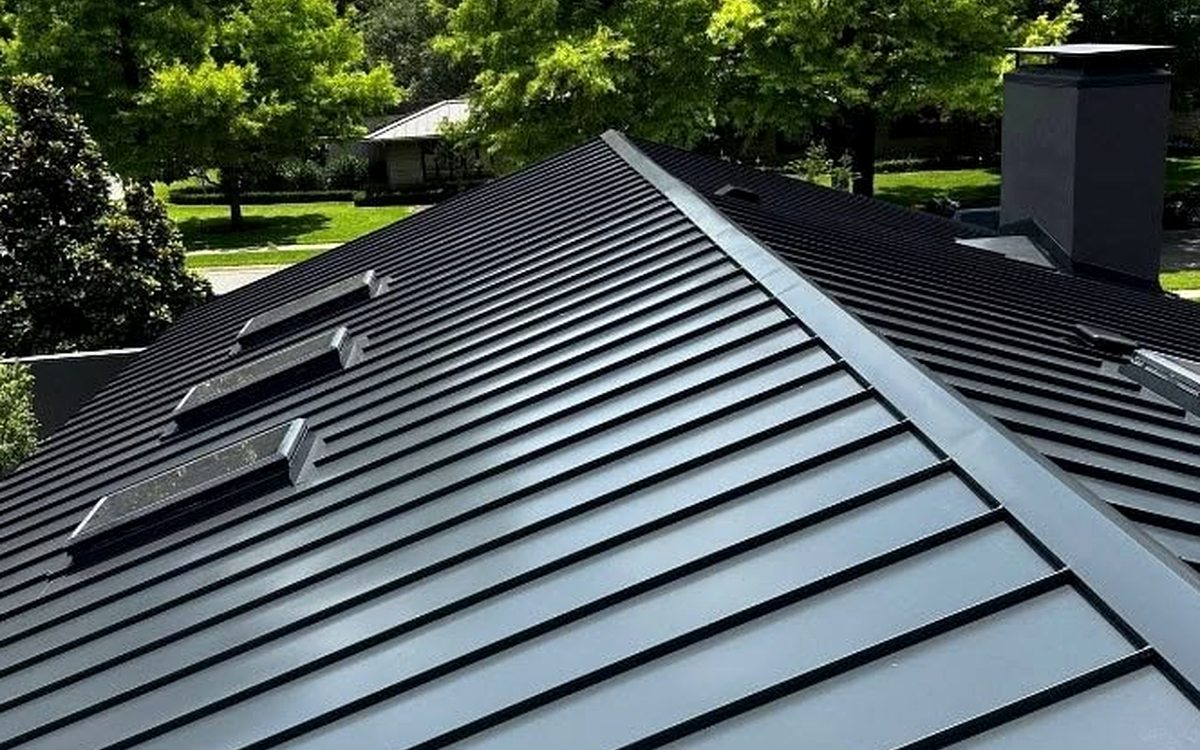
The expected service life of a properly installed standing-seam metal roof — typically outlasting two to three shingle roofs.
The approximate share of a roof replacement cost recouped at resale in industry cost-vs-value studies — before counting faster sale times and buyer confidence from a documented, transferable roof.
What these numbers mean for homeowners
Put together, the statistics tell one story: in hail-and-wind country, the roof you buy matters less than the spec it's installed to and the rating class it carries. A Class 4 shingle on a six-nail, sealed-edge installation is playing a different game than the same-colored builder-grade shingle stapled on at minimum spec — and the 15-versus-30-year lifespan gap is where that game is won. Our roofing glossary defines every term used here, and our market pages cover the local versions of these numbers for College Station, Houston, Austin, San Antonio, Beaumont, St. Louis, Salt Lake City, and Billings.
Citing this page
You're welcome to use these statistics with attribution and a link to this page. For interviews, storm commentary, or market-specific data from our field teams, contact Trophy Exteriors at office@trophyexteriors.com — founders Reid and Grace Anderson and our market leads are available to press on Texas, Missouri, Utah, and Montana roofing and storm-recovery topics.
Frequently Asked Questions
Which U.S. state gets the most hail?
Texas consistently records the most large-hail events in NOAA/National Weather Service storm data, with the most active corridors crossing Central Texas, the Hill Country, and North Texas.
How long do asphalt shingle roofs really last?
Laboratory ratings say 25-30 years, but in severe-weather markets builder-grade shingles realistically deliver 15-20. Class 4 impact-rated shingles and correct installation meaningfully extend real-world life.
What does a Class 4 shingle rating mean?
It's the highest UL 2218 impact rating, earned by surviving a 2-inch steel ball dropped twice in the same spot without cracking — a proxy for large-hail resistance.
Is a metal roof worth the extra cost?
A standing-seam metal roof typically lasts 40-70 years versus 15-25 for shingles, resists hail and high wind better, and reflects summer heat — for many owners it's the cheaper roof per year of service.
Need a straight answer about your roof?
Free inspections, honest inspections, and a local team that answers the phone.
Get a Free Inspection


