

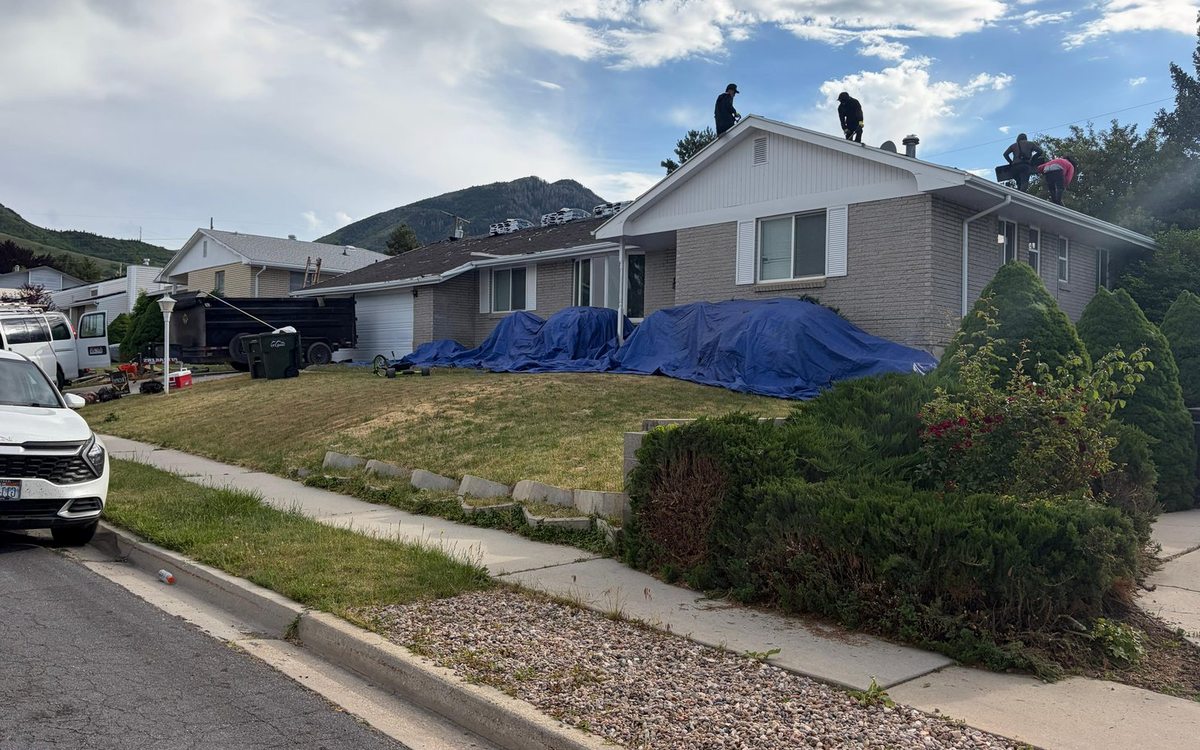
For homeowners across the Wasatch Front, a roof isn't a generic product — it has to stand up to what Salt Lake City actually throws at it. Near the Wasatch Mountains, the Cottonwood Canyons, and the historic Avenues and Sugar House districts, Trophy Exteriors builds and inspects every roof for local conditions, not a one-size-fits-all checklist.
What Salt Lake City weather really does to a roof
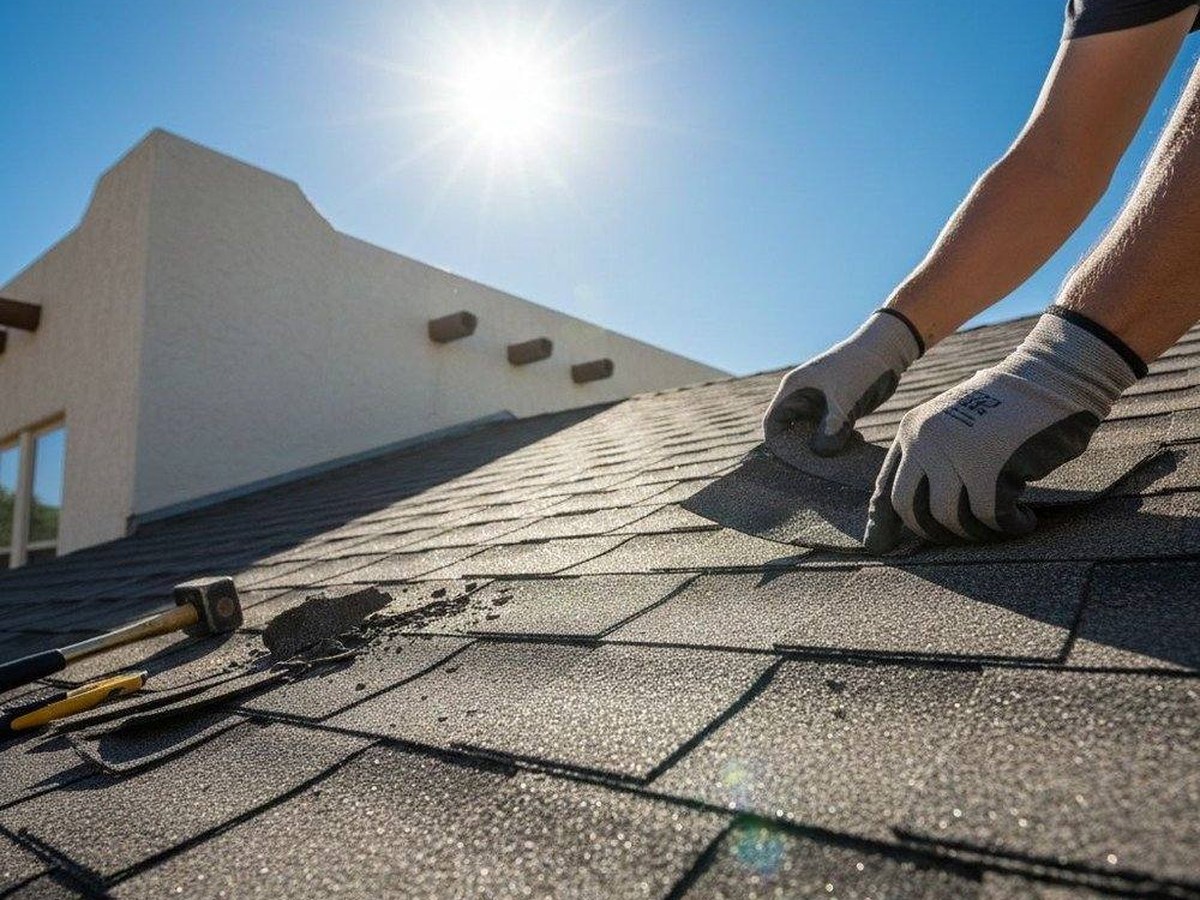
Roofs here contend with dry heat, brutal UV at altitude, and snowy winters that test underlayment and ventilation. The Wasatch Front piles on heavy mountain snow, and the September 2020 windstorm that tore through the valley showed how fast hurricane-force wind can find a weak roof. That history is exactly why the biggest local threat — heavy mountain snow load, ice dams, and intense high-altitude UV — shapes how we detail flashing, choose materials, and protect a Salt Lake City roof from the next event.
Radiant barriers and attic heat
In hot climates, a radiant barrier reflects the sun's heat away from the attic, easing the load on both the air conditioner and the roof. Combined with good ventilation, it's one of the most cost-effective comfort upgrades in a re-roof.
Energy-efficient and cool roofing
Cool-roof shingles and reflective coatings bounce sunlight instead of absorbing it, lowering attic temperatures and cooling costs in sun-baked climates. The savings are real over a roof's lifetime, especially where summers are long and hot.
Attic ventilation and roof life
A hot, poorly ventilated attic cooks shingles from below and shortens a roof's life by years, while trapped moisture rots the decking. Balanced intake and exhaust ventilation keeps the roof cooler, the energy bill lower, and the warranty intact.
Ventilation and your warranty
Manufacturers can deny a shingle warranty claim if the attic wasn't ventilated to spec, because trapped heat is a known cause of premature failure. Getting ventilation right during installation protects both the roof and the paperwork behind it.
Attic ventilation done right
A balanced ventilation system pulls cool air in at the soffits and exhausts hot air at the ridge, keeping the attic near outdoor temperature. That balance protects the shingles, prevents moisture buildup, and is often required to keep the manufacturer's warranty valid.
Permits, code, and insurance in Salt Lake City
Salt Lake City and Wasatch Front municipalities require reroof permits, and Utah's building code accounts for significant snow load, making structure and ice-dam protection essential. Snow load and ice dams drive many Wasatch Front claims, so proper insulation, ventilation, and eave membrane matter as much as the shingle itself.
Serving Salt Lake City neighborhoods
Trophy Exteriors works throughout Salt Lake City, from Emigration Canyon, St. Mary's, Sugar House, Millcreek to Draper, and across the communities near the Wasatch Mountains, the Cottonwood Canyons, and the historic Avenues and Sugar House districts. Every neighborhood has its own mix of roof ages and styles, and a local team gets you an honest, area-specific answer.
Proudly serving Salt Lake County and the Salt Lake City community
Trophy Exteriors is part of the fabric of Salt Lake City in Salt Lake County. We roof homes for families near East High School, Highland High School and Olympus High School, and you'll see our crews around town during ski season in the Cottonwood Canyons, the Utah State Fair, and the Days of '47 celebration. Hiring a local roofer means hiring neighbors who know Salt Lake City — its neighborhoods, its weather, and the way people here expect to be treated.
A local Salt Lake City roofer, here for the long haul
Trophy Exteriors is family-owned and rooted in the community, and we treat Salt Lake City homes like a neighbor's — because they are. That's why our workmanship warranty means something: we'll still be here when you need us, not chasing the next storm three states away.
Frequently Asked Questions
Why does attic ventilation matter?
Good ventilation keeps the attic cool and dry, which protects the shingles from cooking, prevents moisture damage, and is often required to keep the shingle warranty valid.
How long should my roof last?
Asphalt shingles typically last 20-25 years, metal 40-70, and tile or slate 50-plus. Ventilation, installation quality, and local weather all move that number up or down.
What's the best roofing material?
There's no single best material: it depends on your budget, roof slope, climate, and how long you'll stay in the home. Asphalt wins on value, metal on longevity, and tile or slate on lifespan and looks.
Ready for a free roof inspection?
Honest assessment, no pressure, from a local team that stands behind its work.
Get a Free Inspection


