

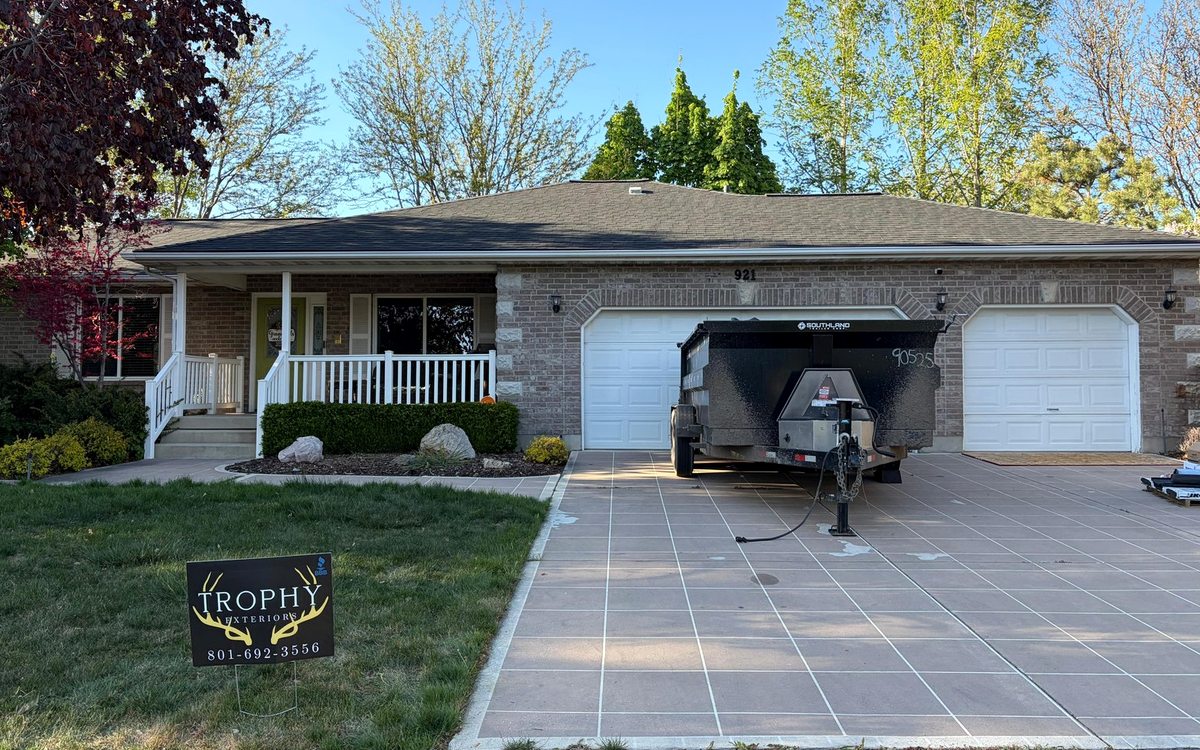
For homeowners across the Wasatch Front, a roof isn't a generic product — it has to stand up to what Salt Lake City actually throws at it. Near the Wasatch Mountains, the Cottonwood Canyons, and the historic Avenues and Sugar House districts, Trophy Exteriors builds and inspects every roof for local conditions, not a one-size-fits-all checklist.
What Salt Lake City weather really does to a roof
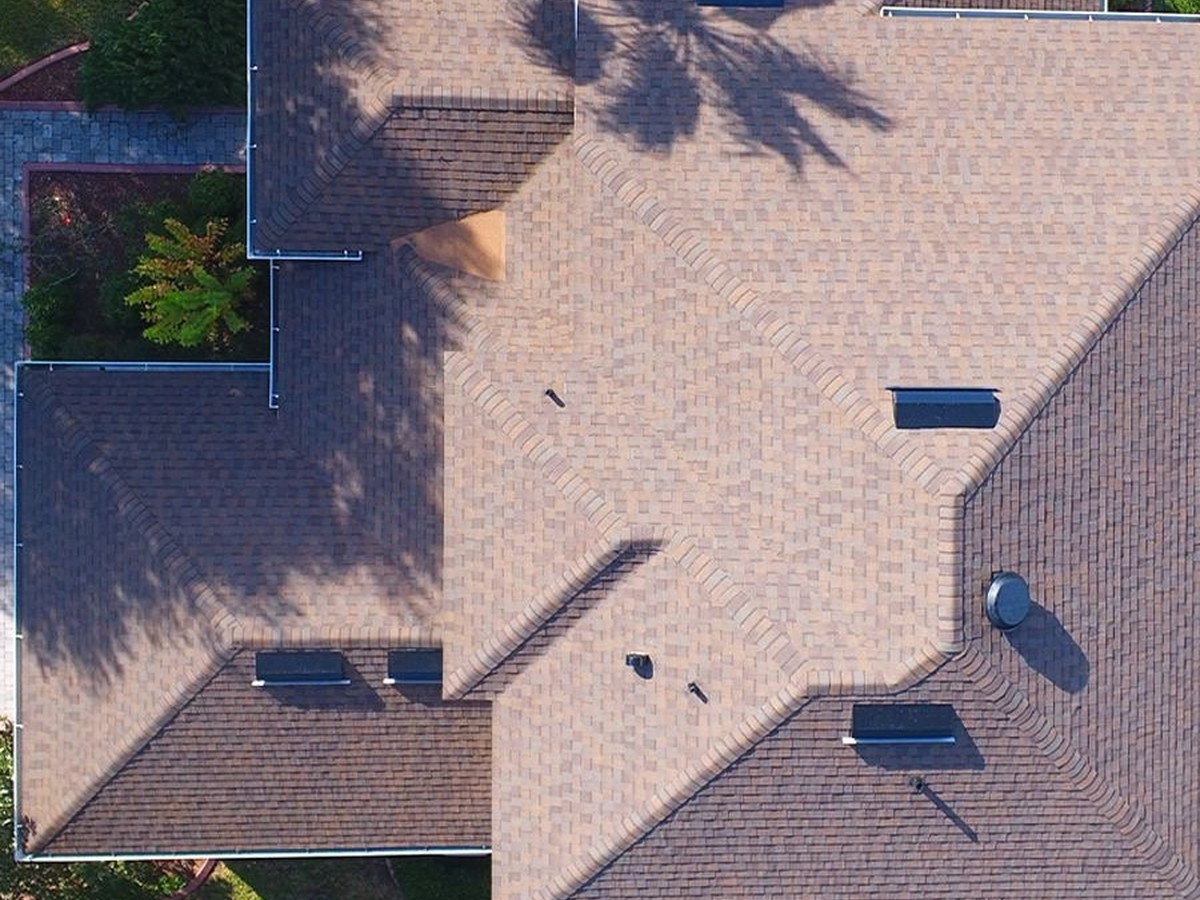
Roofs here contend with dry heat, brutal UV at altitude, and snowy winters that test underlayment and ventilation. The Wasatch Front piles on heavy mountain snow, and the September 2020 windstorm that tore through the valley showed how fast hurricane-force wind can find a weak roof. That history is exactly why the biggest local threat — heavy mountain snow load, ice dams, and intense high-altitude UV — shapes how we detail flashing, choose materials, and protect a Salt Lake City roof from the next event.
Impact-resistant (Class 4) shingles
Class 4 impact-resistant shingles are engineered to withstand hail strikes that would crack ordinary shingles, and many insurers offer a premium discount for installing them. In hail-prone areas they are one of the smartest upgrades a homeowner can make.
Metal roofing and how it performs
Standing-seam metal roofs last 40-70 years, shed water and snow efficiently, and reflect heat to cut cooling costs. They cost more up front than asphalt but often pay back through longevity and energy savings, especially on complex or low-slope sections.
Asphalt shingles: the default for a reason
Architectural asphalt shingles remain the most popular roofing choice because they balance cost, durability, and curb appeal. Modern laminated shingles carry 25-to-50-year warranties and hold up well when installed with proper ventilation and quality underlayment.
Tile and slate for premium homes
Clay and concrete tile and natural slate are the longest-lasting roofing materials, routinely exceeding 50 years. They demand a properly engineered structure to carry the weight and a crew experienced in their installation, but the payoff is a roof that can outlive the mortgage.
Choosing the right material for your home
The best roofing material depends on your budget, roof slope, local climate, and how long you plan to stay in the home. A good roofer walks you through the real trade-offs rather than pushing a single product, and helps you weigh up-front cost against decades of performance.
Permits, code, and insurance in Salt Lake City
Salt Lake City and Wasatch Front municipalities require reroof permits, and Utah's building code accounts for significant snow load, making structure and ice-dam protection essential. Snow load and ice dams drive many Wasatch Front claims, so proper insulation, ventilation, and eave membrane matter as much as the shingle itself.
Serving Salt Lake City neighborhoods
Trophy Exteriors works throughout Salt Lake City, from Sugar House, Millcreek, Cottonwood Heights, St. Mary's to Federal Heights, and across the communities near the Wasatch Mountains, the Cottonwood Canyons, and the historic Avenues and Sugar House districts. Every neighborhood has its own mix of roof ages and styles, and a local team gets you an honest, area-specific answer.
Proudly serving Salt Lake County and the Salt Lake City community
Trophy Exteriors is part of the fabric of Salt Lake City in Salt Lake County. We roof homes for families near East High School, Highland High School and Olympus High School, and you'll see our crews around town during ski season in the Cottonwood Canyons, the Utah State Fair, and the Days of '47 celebration. Hiring a local roofer means hiring neighbors who know Salt Lake City — its neighborhoods, its weather, and the way people here expect to be treated.
A local Salt Lake City roofer, here for the long haul
Trophy Exteriors is family-owned and rooted in the community, and we treat Salt Lake City homes like a neighbor's — because they are. That's why our workmanship warranty means something: we'll still be here when you need us, not chasing the next storm three states away.
Frequently Asked Questions
What's the best roofing material?
There's no single best material: it depends on your budget, roof slope, climate, and how long you'll stay in the home. Asphalt wins on value, metal on longevity, and tile or slate on lifespan and looks.
Is a metal roof worth the extra cost?
For homeowners staying long-term, metal's 40-70 year lifespan and energy savings often justify the higher up-front cost. It also sheds water and snow well and resists fire and wind.
How long should my roof last?
Asphalt shingles typically last 20-25 years, metal 40-70, and tile or slate 50-plus. Ventilation, installation quality, and local weather all move that number up or down.
Ready for a free roof inspection?
Honest assessment, no pressure, from a local team that stands behind its work.
Get a Free Inspection


