

Force one: the hail corridor
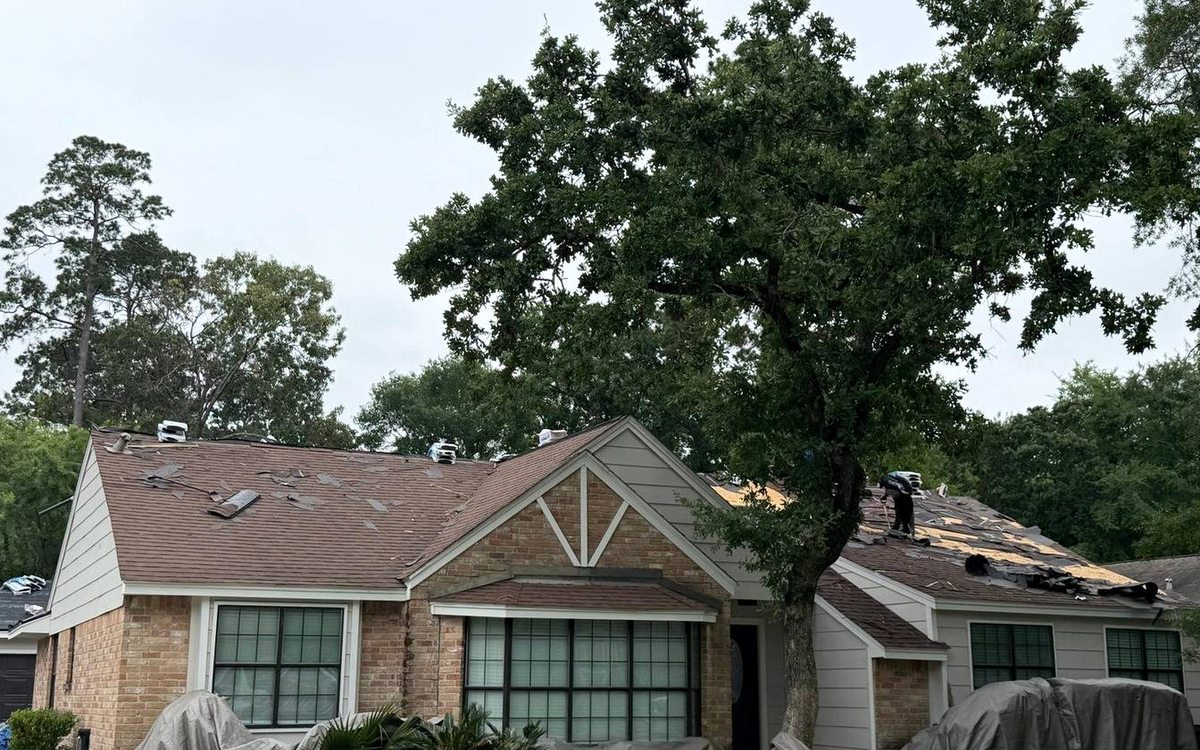
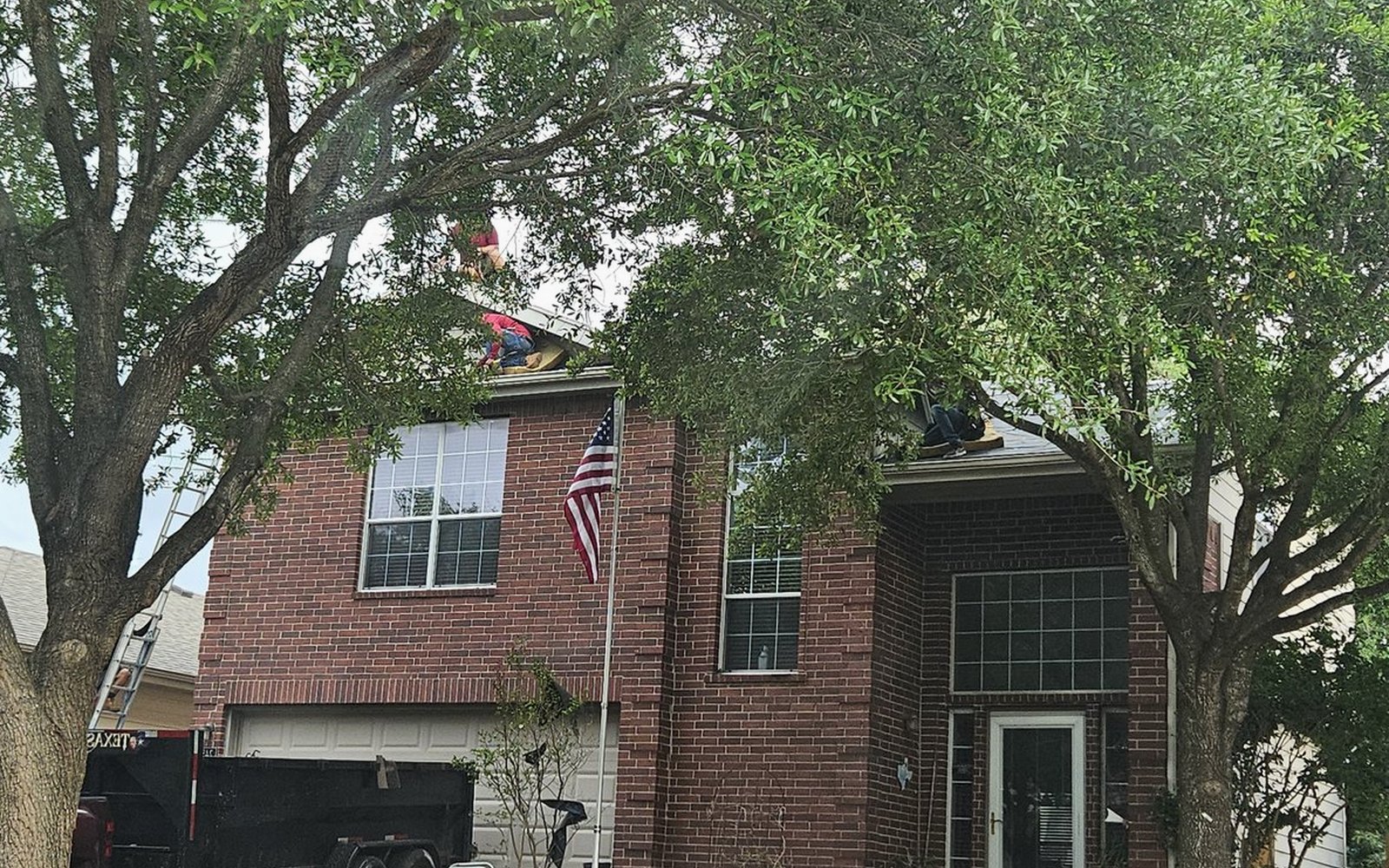
San Antonio's north side sits in the path that has produced some of the costliest hail in Texas history. In Stone Oak and beyond the 1604, whole subdivisions re-roof on the storm cycle. The exit from that cycle is material: Class 4 impact-rated shingles or metal, installed to spec — the difference between replacing every event and replacing once.
Force two: the heat
Long triple-digit runs cook attics past 140 degrees, aging shingles from beneath and driving summer bills. Balanced ridge-and-soffit ventilation and radiant barriers are the fixes — and in our inspections across Alamo Heights and Terrell Hills, under-ventilation is at least as common as storm damage.
Force three: tile that outlived its underlayment
Monte Vista and the 09's Spanish Revival tile is often original — 80 to 100 years old and still beautiful. What fails is the felt and flashing beneath. Right answer: lift and salvage the tile, rebuild underlayment and flashings with modern membranes, re-lay the original. Anyone quoting wholesale tile replacement for a sound roof is quoting the destruction of your home's value.
Where the three collide
A hailstorm over a 100-year-old tile roof in a heat-stressed attic is the full San Antonio exam. Passing it takes a roofer fluent in all three problems — impact assessment, ventilation, and salvage-first tile craft — plus each independent city's permitting quirks in the 09.
The San Antonio playbook
Class 4 or metal in the hail zone; ventilation checked on every job; salvage-first on historic tile; jurisdiction paperwork handled; free documented inspections after every storm. That's the whole playbook, and it's standard on every Trophy job in the metro.
Frequently Asked Questions
What roofing material is best for San Antonio hail?
Class 4 impact-rated shingles at minimum; standing-seam metal to take hail off the table entirely. Both matter most north of downtown in the corridor.
My Monte Vista tile roof leaks — is the tile bad?
Almost certainly not. Original tile routinely outlives its underlayment by decades. Salvage-and-relay over rebuilt membranes preserves the tile and ends the leaks.
Why is my San Antonio attic so hot?
Long heat waves plus under-ventilation. Balanced intake and exhaust drops attic temperatures dramatically and slows roof aging from below.
Do Alamo Heights and Olmos Park require roofing permits?
Each of the 09's independent cities permits separately, and Monte Vista adds historic-district review. We handle the jurisdiction-specific paperwork on every project.
Need a straight answer about your roof?
Free inspections, honest inspections, and a local team that answers the phone.
Get a Free Inspection


