

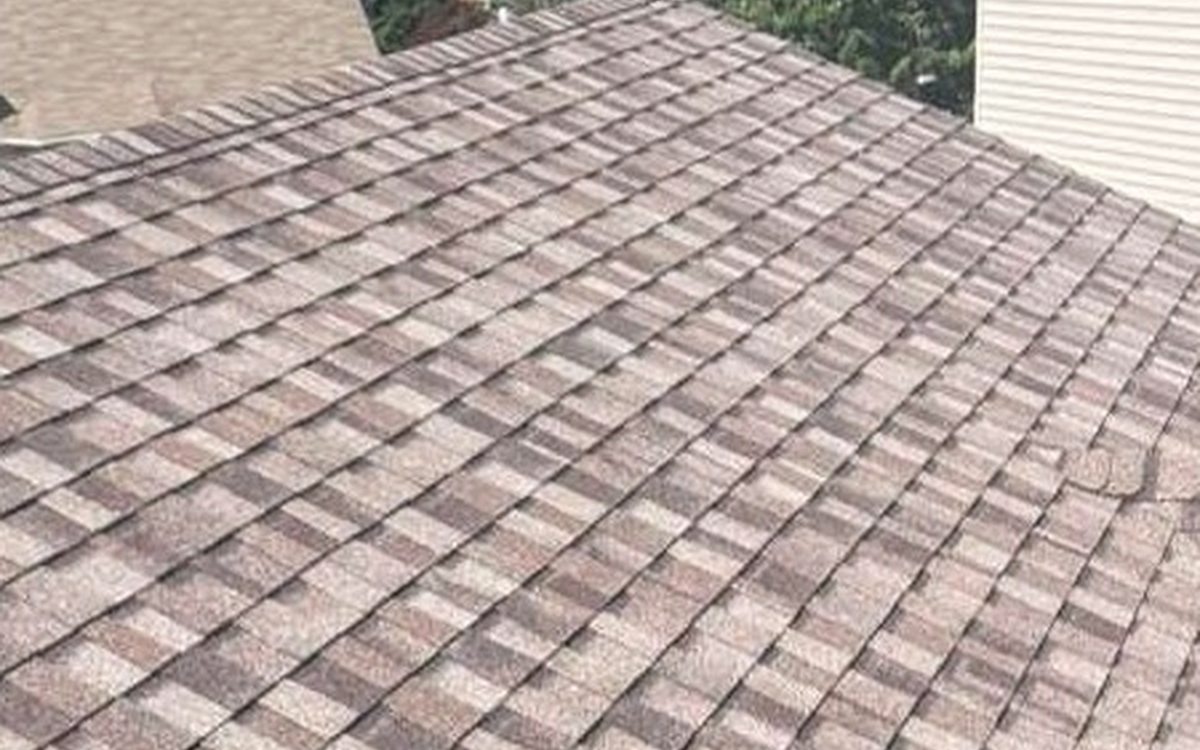
For homeowners across the St. Louis metro, a roof isn't a generic product — it has to stand up to what St. Louis actually throws at it. Near the Gateway Arch, Forest Park, and the established suburbs of Clayton, Ladue, and Kirkwood, Trophy Exteriors builds and inspects every roof for local conditions, not a one-size-fits-all checklist.
What St. Louis weather really does to a roof
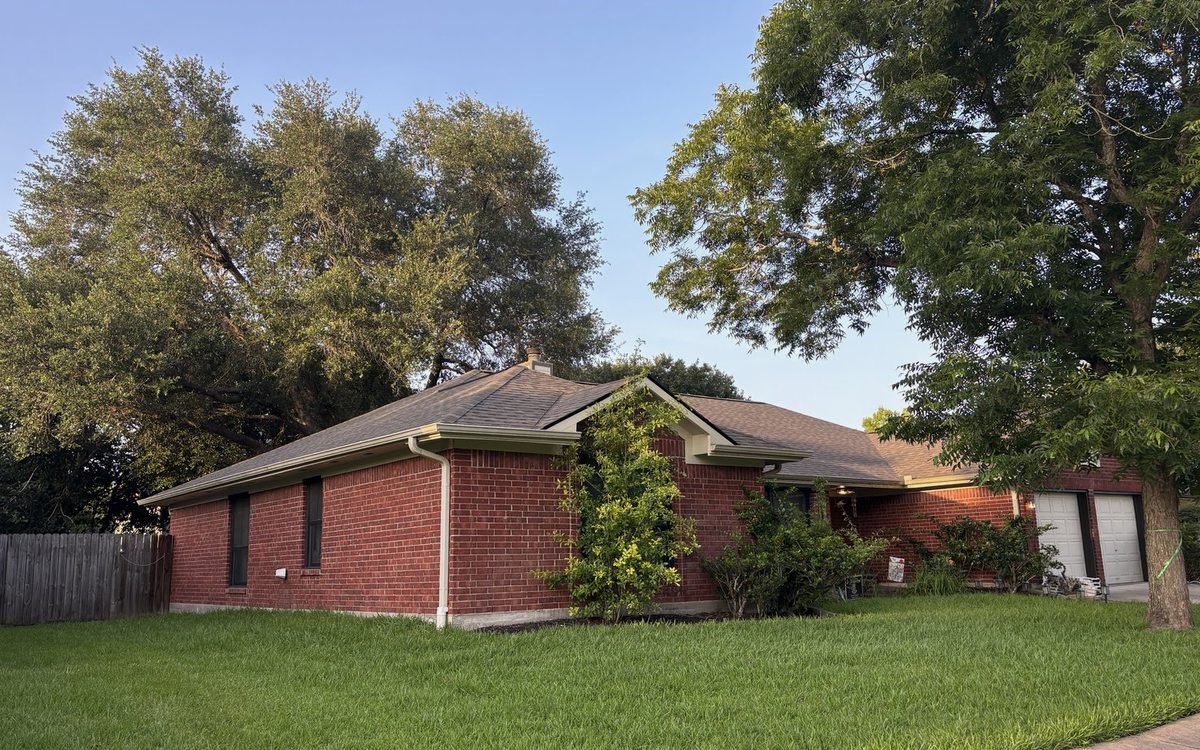
Roofs here contend with humid summers, cold winters, and dramatic freeze-thaw swings that lift shingles and form ice dams. St. Louis roofs face it all — spring hail and tornado-strength winds, summer derechos, and winter ice storms that form dams at the eaves and force water back under the shingles. That history is exactly why the biggest local threat — derecho winds, spring hail, and winter ice dams — shapes how we detail flashing, choose materials, and protect a St. Louis roof from the next event.
Flashing: where most leaks begin
The metal flashing around chimneys, vents, skylights, and wall transitions is where the majority of roof leaks start. Flashing that is rusted, lifted, or sealed with cracked caulk should be repaired before wind-driven rain finds the gap.
Clearing valleys and debris
Leaves and needles that collect in roof valleys trap moisture against the surface and block the path water needs to drain. Clearing debris, safely or with a professional, keeps water moving and prevents the slow rot that leads to leaks.
Why gutters protect your roof
Clogged gutters overflow, back water up under the roof edge, and rot the fascia and decking. Keeping gutters clear, especially after heavy tree drop, is the single cheapest thing a homeowner can do to extend a roof's life.
The value of an annual inspection
An annual professional inspection catches small problems, such as lifted flashing or a cracked boot, while they are still cheap repairs rather than ceiling stains. It also creates a documented history of your roof's condition that helps with future insurance claims.
Dark streaks and roof algae
Those black streaks on a roof are usually algae feeding on limestone filler in the shingles. It is mostly cosmetic, but the growth holds moisture against the roof, and a gentle professional cleaning plus zinc or copper strips keeps it from coming back.
Permits, code, and insurance in St. Louis
St. Louis City and County municipalities require reroof permits, and the region's freeze-thaw swings make ice-and-water shield at the eaves a smart, sometimes required, upgrade. With hail, wind, and ice all in the mix, St. Louis homeowners should document storm damage quickly and make sure eave and valley protection is done right.
Serving St. Louis neighborhoods
Trophy Exteriors works throughout St. Louis, from Creve Coeur, Frontenac, Clayton, Webster Groves to Chesterfield, and across the communities near the Gateway Arch, Forest Park, and the established suburbs of Clayton, Ladue, and Kirkwood. Every neighborhood has its own mix of roof ages and styles, and a local team gets you an honest, area-specific answer.
Proudly serving St. Louis County and the St. Louis community
Trophy Exteriors is part of the fabric of St. Louis in St. Louis County. We roof homes for families near Clayton High School, Ladue Horton Watkins High School and Kirkwood High School, and you'll see our crews around town during Cardinals baseball, the Muny in Forest Park, and the Great Forest Park Balloon Race. Hiring a local roofer means hiring neighbors who know St. Louis — its neighborhoods, its weather, and the way people here expect to be treated.
A local St. Louis roofer, here for the long haul
Trophy Exteriors is family-owned and rooted in the community, and we treat St. Louis homes like a neighbor's — because they are. That's why our workmanship warranty means something: we'll still be here when you need us, not chasing the next storm three states away.
Frequently Asked Questions
When should I get my roof inspected?
At least once a year, and again after any major storm. Catching damage early keeps a small repair from becoming an interior leak, and creates a dated record of your roof's condition.
Do gutters really affect my roof?
Very much. Clogged or failing gutters back water up under the roof edge and rot the fascia and decking, so gutter care is part of protecting the roof itself.
How long should my roof last?
Asphalt shingles typically last 20-25 years, metal 40-70, and tile or slate 50-plus. Ventilation, installation quality, and local weather all move that number up or down.
Ready for a free roof inspection?
Honest assessment, no pressure, from a local team that stands behind its work.
Get a Free Inspection


