

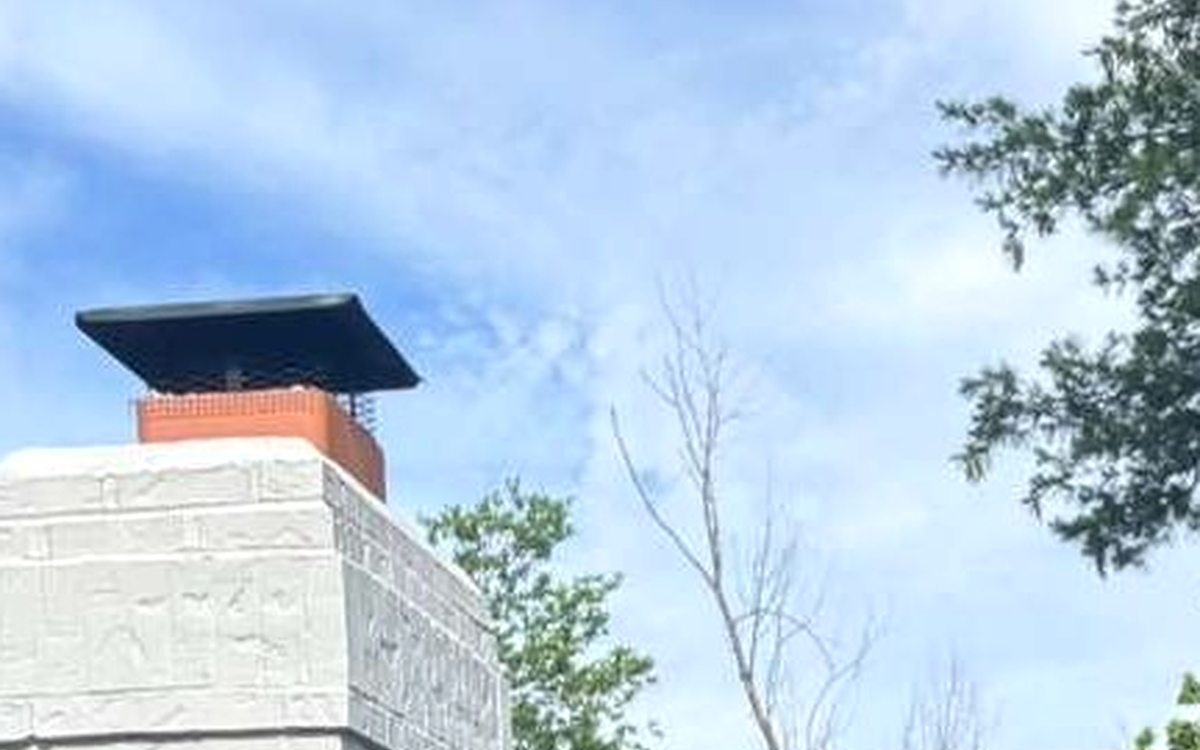
For homeowners across the St. Louis metro, a roof isn't a generic product — it has to stand up to what St. Louis actually throws at it. Near the Gateway Arch, Forest Park, and the established suburbs of Clayton, Ladue, and Kirkwood, Trophy Exteriors builds and inspects every roof for local conditions, not a one-size-fits-all checklist.
What St. Louis weather really does to a roof
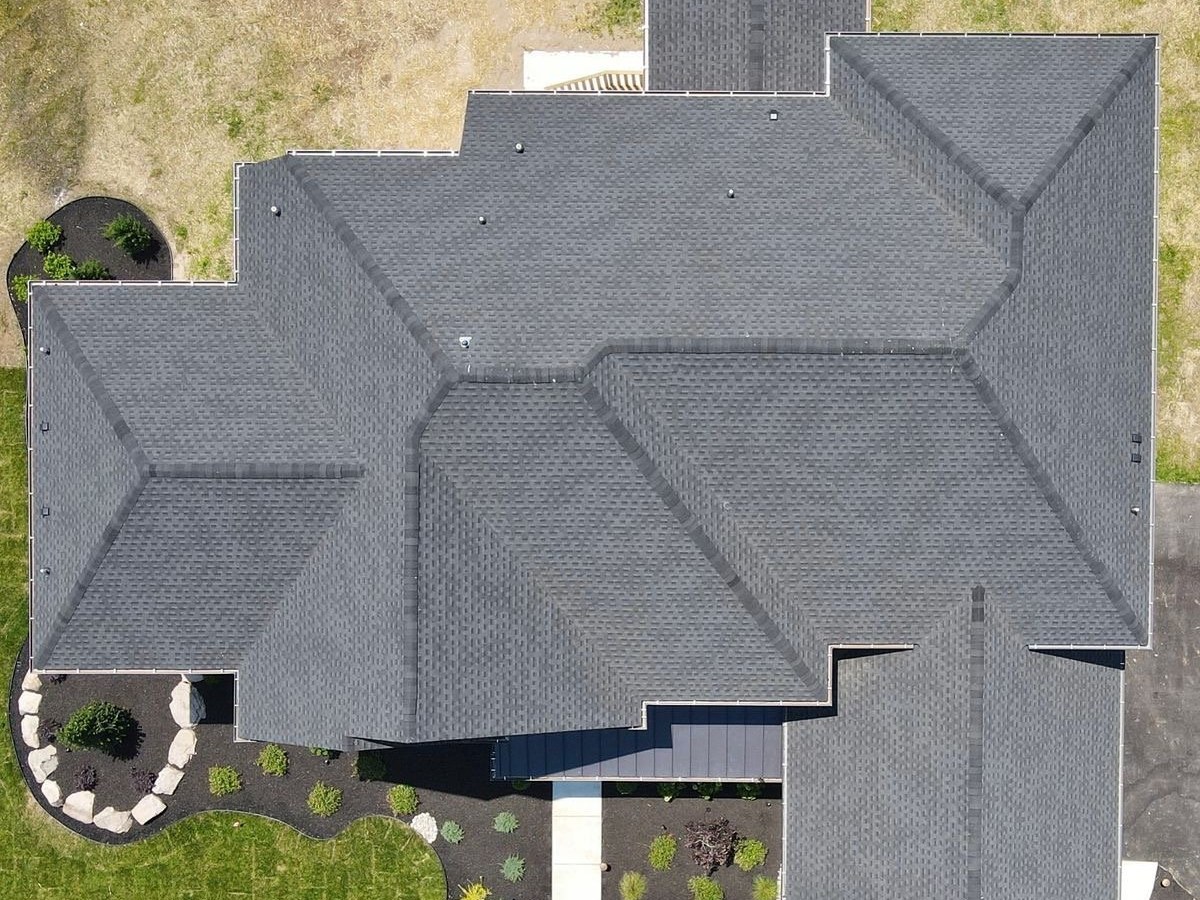
Roofs here contend with humid summers, cold winters, and dramatic freeze-thaw swings that lift shingles and form ice dams. St. Louis roofs face it all — spring hail and tornado-strength winds, summer derechos, and winter ice storms that form dams at the eaves and force water back under the shingles. That history is exactly why the biggest local threat — derecho winds, spring hail, and winter ice dams — shapes how we detail flashing, choose materials, and protect a St. Louis roof from the next event.
What a 'square' means in roofing
Roofers price in squares, where one square equals 100 square feet of roof surface. Knowing your roof's square count and pitch helps you understand estimates and compare bids on an apples-to-apples basis.
What actually drives roof-replacement cost
Roof price is driven by size (measured in squares), pitch, complexity, material, tear-off of old layers, and the condition of the decking underneath. Two homes of the same square footage can price very differently once slope and access are factored in.
What belongs in your roofing contract
A solid contract spells out materials, scope, price, payment schedule, warranty, and how change orders are handled. Vague contracts favor the contractor; a detailed one protects you.
How to avoid overpaying for a roof
Get itemized written estimates, compare scope rather than just bottom-line price, and be suspicious of bids far below the rest — they usually cut corners on decking, underlayment, or labor. The cheapest roof is rarely the least expensive over its life.
Hidden costs that show up mid-project
Rotted decking, inadequate old ventilation, and code-required upgrades can add cost once the old roof is off. A good roofer explains how these are handled and priced before work starts, so there are no surprises.
Permits, code, and insurance in St. Louis
St. Louis City and County municipalities require reroof permits, and the region's freeze-thaw swings make ice-and-water shield at the eaves a smart, sometimes required, upgrade. With hail, wind, and ice all in the mix, St. Louis homeowners should document storm damage quickly and make sure eave and valley protection is done right.
Serving St. Louis neighborhoods
Trophy Exteriors works throughout St. Louis, from Frontenac, Town and Country, Chesterfield, Creve Coeur to Kirkwood, and across the communities near the Gateway Arch, Forest Park, and the established suburbs of Clayton, Ladue, and Kirkwood. Every neighborhood has its own mix of roof ages and styles, and a local team gets you an honest, area-specific answer.
Proudly serving St. Louis County and the St. Louis community
Trophy Exteriors is part of the fabric of St. Louis in St. Louis County. We roof homes for families near Clayton High School, Ladue Horton Watkins High School and Kirkwood High School, and you'll see our crews around town during Cardinals baseball, the Muny in Forest Park, and the Great Forest Park Balloon Race. Hiring a local roofer means hiring neighbors who know St. Louis — its neighborhoods, its weather, and the way people here expect to be treated.
A local St. Louis roofer, here for the long haul
Trophy Exteriors is family-owned and rooted in the community, and we treat St. Louis homes like a neighbor's — because they are. That's why our workmanship warranty means something: we'll still be here when you need us, not chasing the next storm three states away.
Frequently Asked Questions
How much does a new roof cost?
Cost depends on the roof's size, slope, material, and complexity, plus whether the old roof needs tear-off and any decking repairs. The most reliable number comes from a free, itemized inspection and estimate rather than a phone quote.
How long does a roof replacement take?
Most residential roofs are replaced in one to three days depending on size, pitch, and weather. Larger or more complex roofs take longer, and your roofer should give you a clear timeline before work begins.
What's the difference between roofing warranties?
The manufacturer warranty covers the materials; the contractor's workmanship warranty covers the installation. Since most failures come from installation, the workmanship warranty is the one to scrutinize.
Ready for a free roof inspection?
Honest assessment, no pressure, from a local team that stands behind its work.
Get a Free Inspection


