

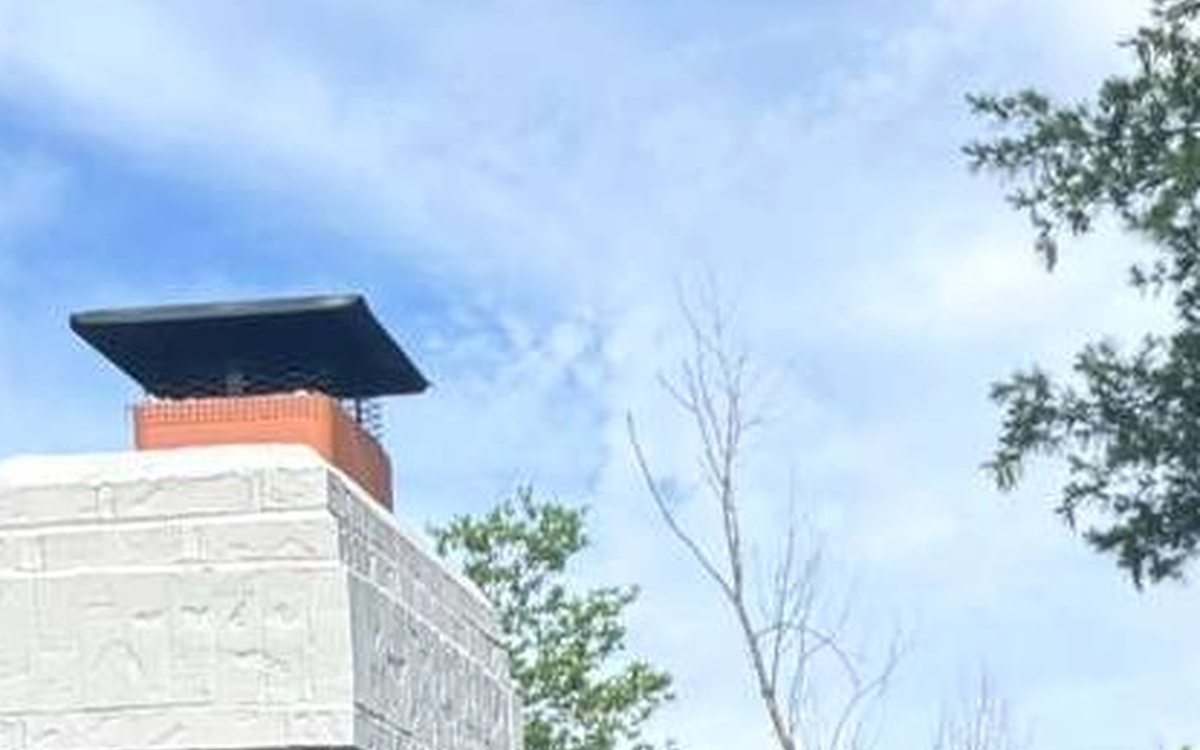
For homeowners across the St. Louis metro, a roof isn't a generic product — it has to stand up to what St. Louis actually throws at it. Near the Gateway Arch, Forest Park, and the established suburbs of Clayton, Ladue, and Kirkwood, Trophy Exteriors builds and inspects every roof for local conditions, not a one-size-fits-all checklist.
What St. Louis weather really does to a roof
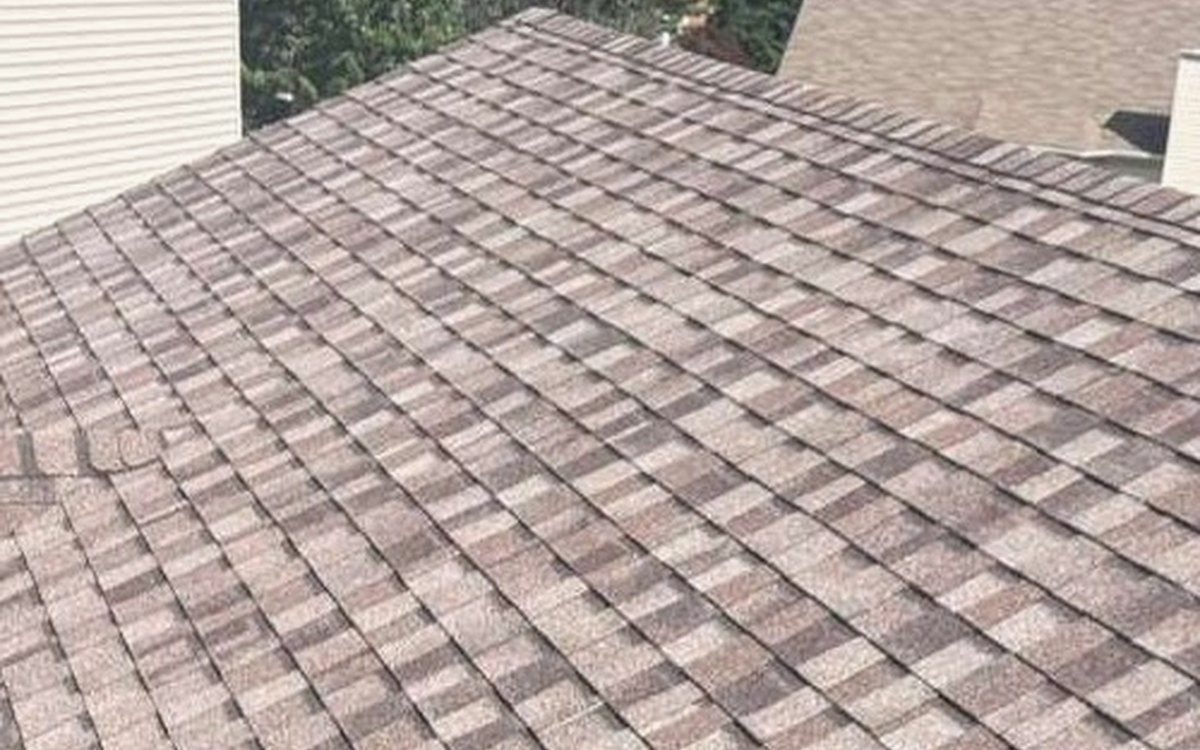
Roofs here contend with humid summers, cold winters, and dramatic freeze-thaw swings that lift shingles and form ice dams. St. Louis roofs face it all — spring hail and tornado-strength winds, summer derechos, and winter ice storms that form dams at the eaves and force water back under the shingles. That history is exactly why the biggest local threat — derecho winds, spring hail, and winter ice dams — shapes how we detail flashing, choose materials, and protect a St. Louis roof from the next event.
Roofing for new construction
On a new build, the roof is your chance to get ventilation, underlayment, and flashing right from day one. Coordinating early with a roofer avoids the callbacks and leaks that plague rushed builder-grade installs.
Attic ventilation done right
A balanced ventilation system pulls cool air in at the soffits and exhausts hot air at the ridge, keeping the attic near outdoor temperature. That balance protects the shingles, prevents moisture buildup, and is often required to keep the manufacturer's warranty valid.
Underlayment and ice-and-water shield
Underlayment is the secondary barrier beneath the shingles, and synthetic underlayment outperforms old felt. In valleys and along eaves, an ice-and-water membrane seals against wind-driven rain and, in cold climates, ice dams.
Flashing done right during installation
New flashing at every wall, chimney, and valley is a hallmark of a quality installation, while reusing old, tired flashing is a shortcut that causes leaks. Ask whether your estimate includes new flashing — it should.
Roof color and curb appeal
Shingle color shifts a home's whole look and even its attic temperature, with lighter tones reflecting more heat. Choosing a color that complements the brick and trim pays off at resale as much as in daily satisfaction.
Permits, code, and insurance in St. Louis
St. Louis City and County municipalities require reroof permits, and the region's freeze-thaw swings make ice-and-water shield at the eaves a smart, sometimes required, upgrade. With hail, wind, and ice all in the mix, St. Louis homeowners should document storm damage quickly and make sure eave and valley protection is done right.
Serving St. Louis neighborhoods
Trophy Exteriors works throughout St. Louis, from Kirkwood, Sunset Hills, Chesterfield, Town and Country to Webster Groves, and across the communities near the Gateway Arch, Forest Park, and the established suburbs of Clayton, Ladue, and Kirkwood. Every neighborhood has its own mix of roof ages and styles, and a local team gets you an honest, area-specific answer.
Proudly serving St. Louis County and the St. Louis community
Trophy Exteriors is part of the fabric of St. Louis in St. Louis County. We roof homes for families near Clayton High School, Ladue Horton Watkins High School and Kirkwood High School, and you'll see our crews around town during Cardinals baseball, the Muny in Forest Park, and the Great Forest Park Balloon Race. Hiring a local roofer means hiring neighbors who know St. Louis — its neighborhoods, its weather, and the way people here expect to be treated.
A local St. Louis roofer, here for the long haul
Trophy Exteriors is family-owned and rooted in the community, and we treat St. Louis homes like a neighbor's — because they are. That's why our workmanship warranty means something: we'll still be here when you need us, not chasing the next storm three states away.
Frequently Asked Questions
What's the best roofing material?
There's no single best material: it depends on your budget, roof slope, climate, and how long you'll stay in the home. Asphalt wins on value, metal on longevity, and tile or slate on lifespan and looks.
Why does attic ventilation matter?
Good ventilation keeps the attic cool and dry, which protects the shingles from cooking, prevents moisture damage, and is often required to keep the shingle warranty valid.
Do I need a permit to replace my roof?
In most areas, yes, and current code may require upgrades the old roof lacked. A licensed roofer pulls the permit and ensures the work passes inspection.
Ready for a free roof inspection?
Honest assessment, no pressure, from a local team that stands behind its work.
Get a Free Inspection


