

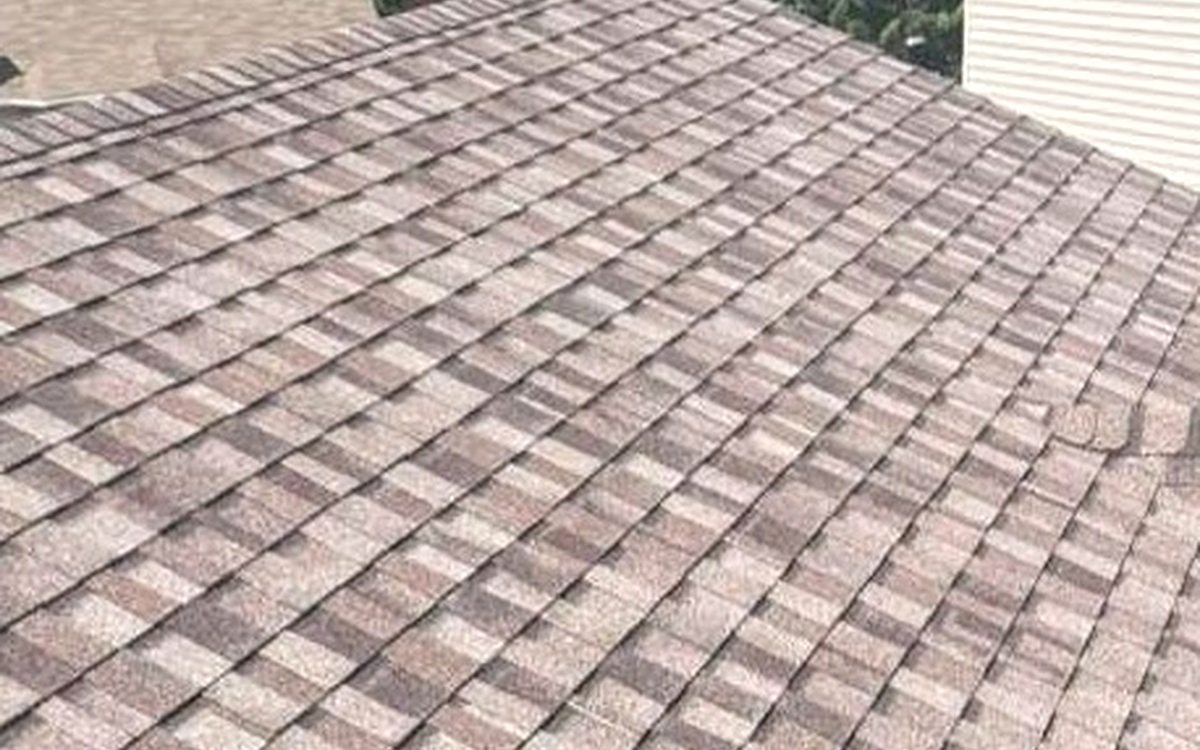
For homeowners across the St. Louis metro, a roof isn't a generic product — it has to stand up to what St. Louis actually throws at it. Near the Gateway Arch, Forest Park, and the established suburbs of Clayton, Ladue, and Kirkwood, Trophy Exteriors builds and inspects every roof for local conditions, not a one-size-fits-all checklist.
What St. Louis weather really does to a roof
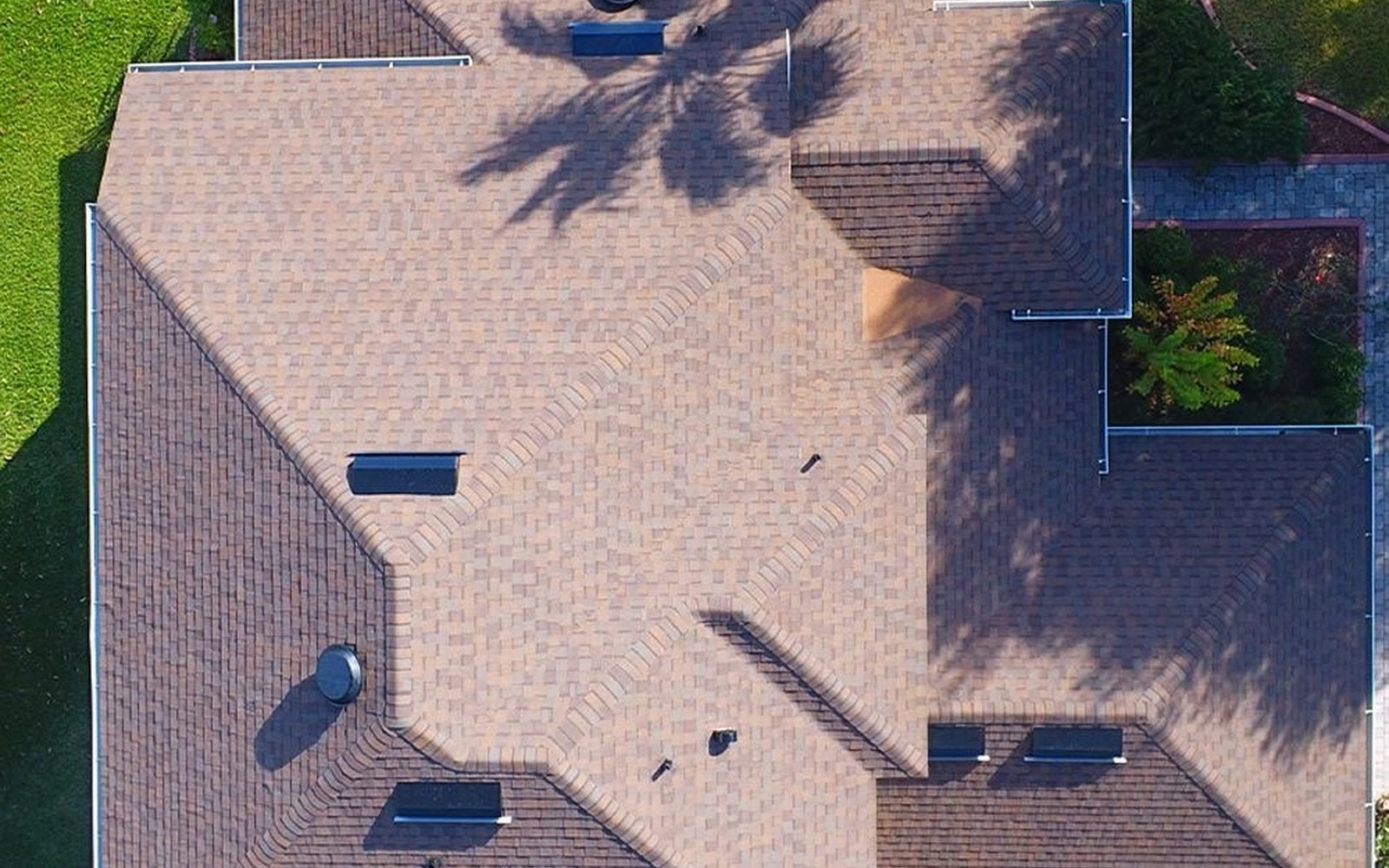
Roofs here contend with humid summers, cold winters, and dramatic freeze-thaw swings that lift shingles and form ice dams. St. Louis roofs face it all — spring hail and tornado-strength winds, summer derechos, and winter ice storms that form dams at the eaves and force water back under the shingles. That history is exactly why the biggest local threat — derecho winds, spring hail, and winter ice dams — shapes how we detail flashing, choose materials, and protect a St. Louis roof from the next event.
Signs your decking is failing
Spongy spots underfoot, sagging between rafters, and visible daylight or water stains in the attic all point to decking that needs replacement. Sound decking is non-negotiable for a roof that will last.
Reading your attic for roof clues
The attic tells the truth about a roof: water stains, damp insulation, daylight through the deck, and rusty nails all point to problems. A quick attic check after a storm often reveals leaks before they reach the ceiling.
Tear-off versus roofing over
Roofing over an existing layer is cheaper and faster but hides decking problems and voids many warranties. A full tear-off costs more but lets the roofer inspect and repair the wood beneath, which is the only way to guarantee a sound, long-lasting roof.
The decking under your shingles
The plywood or OSB decking is the foundation the entire roof relies on, and soft or rotted sections must be replaced during a tear-off. Skipping bad decking to save money guarantees the new roof will fail early over those spots.
Why roofs leak
Most leaks don't start in the open field of the roof; they start at transitions, penetrations, and worn flashing. Tracing a leak to its true source, rather than just patching the stain below it, is what actually stops the water.
Permits, code, and insurance in St. Louis
St. Louis City and County municipalities require reroof permits, and the region's freeze-thaw swings make ice-and-water shield at the eaves a smart, sometimes required, upgrade. With hail, wind, and ice all in the mix, St. Louis homeowners should document storm damage quickly and make sure eave and valley protection is done right.
Serving St. Louis neighborhoods
Trophy Exteriors works throughout St. Louis, from Chesterfield, Frontenac, Sunset Hills, Huntleigh to Creve Coeur, and across the communities near the Gateway Arch, Forest Park, and the established suburbs of Clayton, Ladue, and Kirkwood. Every neighborhood has its own mix of roof ages and styles, and a local team gets you an honest, area-specific answer.
Proudly serving St. Louis County and the St. Louis community
Trophy Exteriors is part of the fabric of St. Louis in St. Louis County. We roof homes for families near Clayton High School, Ladue Horton Watkins High School and Kirkwood High School, and you'll see our crews around town during Cardinals baseball, the Muny in Forest Park, and the Great Forest Park Balloon Race. Hiring a local roofer means hiring neighbors who know St. Louis — its neighborhoods, its weather, and the way people here expect to be treated.
A local St. Louis roofer, here for the long haul
Trophy Exteriors is family-owned and rooted in the community, and we treat St. Louis homes like a neighbor's — because they are. That's why our workmanship warranty means something: we'll still be here when you need us, not chasing the next storm three states away.
Frequently Asked Questions
What are the signs I need a new roof?
Curling or missing shingles, granules in the gutters, dark worn patches, a sagging roofline, and daylight or stains in the attic are the classic warning signs. Several of these together usually mean replacement.
Can I just roof over my old shingles?
You can, but it hides decking problems and voids many warranties, so a full tear-off is almost always the better long-term choice. Tearing off lets the roofer find and fix damage underneath.
Should I repair or replace my roof?
Isolated damage on an otherwise sound roof is a repair; widespread wear, multiple leaks, or an aging roof usually calls for replacement. A professional inspection gives you a straight answer instead of a guess.
Ready for a free roof inspection?
Honest assessment, no pressure, from a local team that stands behind its work.
Get a Free Inspection


