

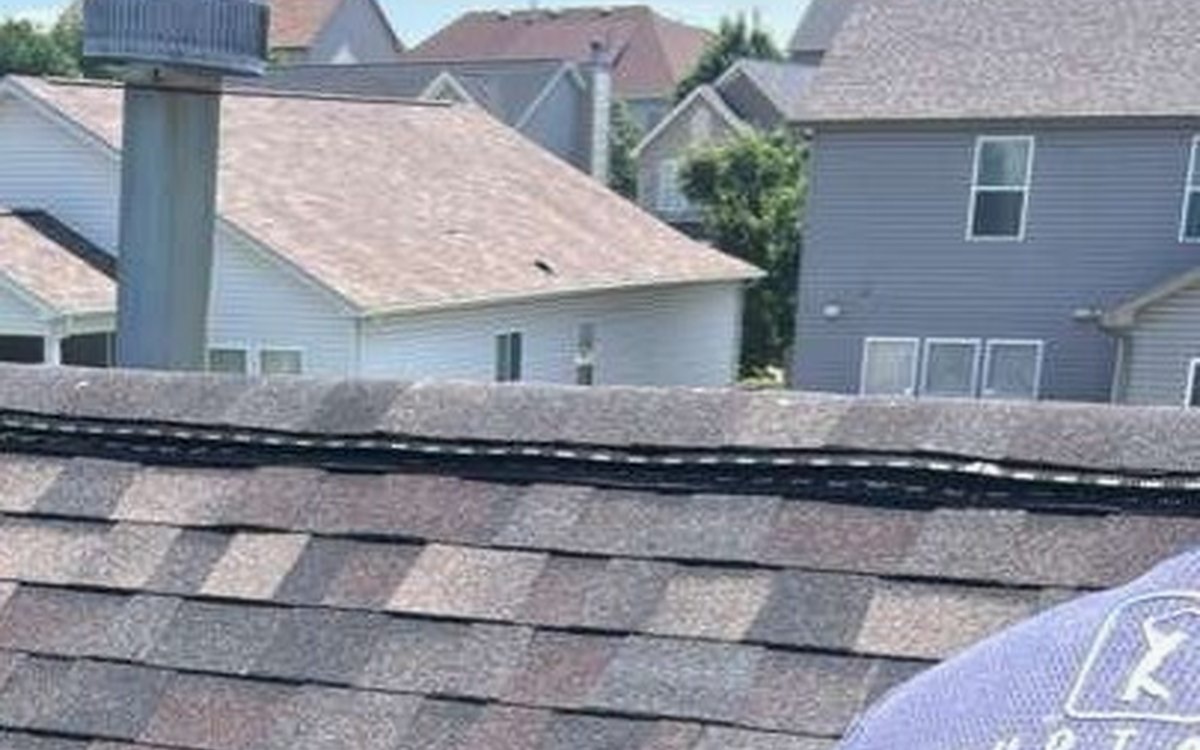
For homeowners across the St. Louis metro, a roof isn't a generic product — it has to stand up to what St. Louis actually throws at it. Near the Gateway Arch, Forest Park, and the established suburbs of Clayton, Ladue, and Kirkwood, Trophy Exteriors builds and inspects every roof for local conditions, not a one-size-fits-all checklist.
What St. Louis weather really does to a roof
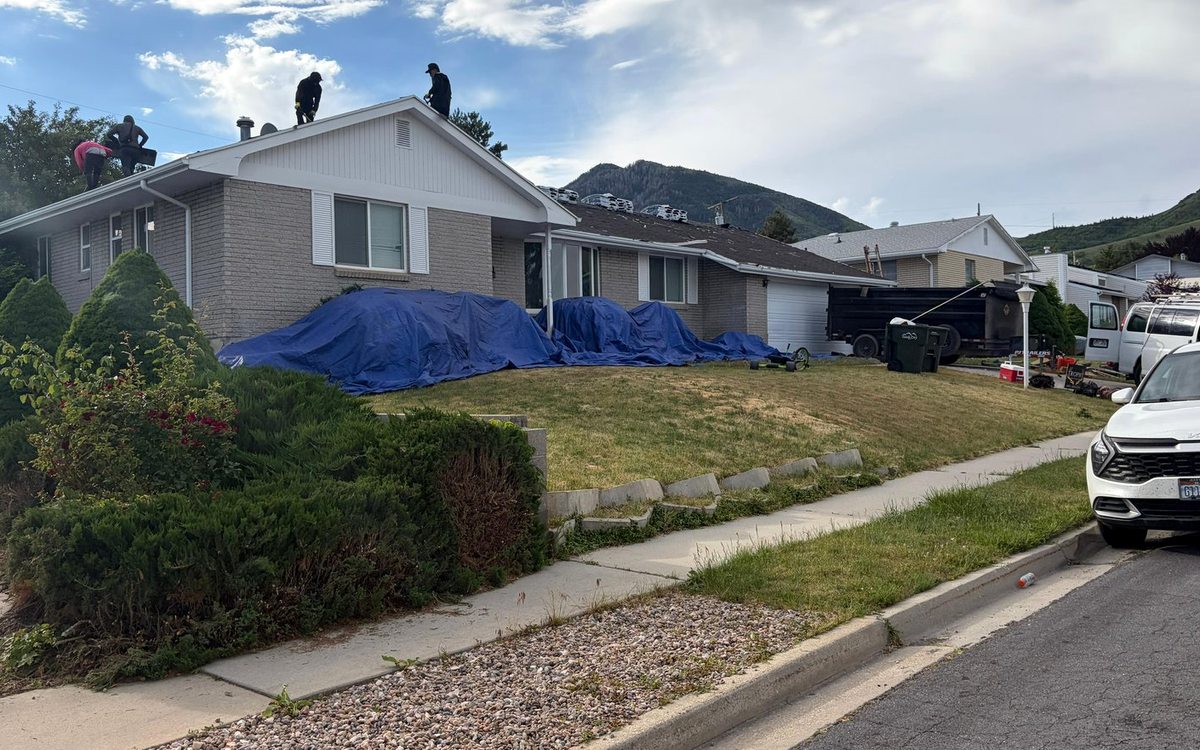
Roofs here contend with humid summers, cold winters, and dramatic freeze-thaw swings that lift shingles and form ice dams. St. Louis roofs face it all — spring hail and tornado-strength winds, summer derechos, and winter ice storms that form dams at the eaves and force water back under the shingles. That history is exactly why the biggest local threat — derecho winds, spring hail, and winter ice dams — shapes how we detail flashing, choose materials, and protect a St. Louis roof from the next event.
The value of an annual inspection
An annual professional inspection catches small problems, such as lifted flashing or a cracked boot, while they are still cheap repairs rather than ceiling stains. It also creates a documented history of your roof's condition that helps with future insurance claims.
Why local and established matters
A local roofer with a physical presence is still there in ten years to honor the warranty, unlike a storm-chasing crew that leaves the state after the season. Local companies also know regional code, climate, and the insurance landscape.
When it's time to replace your roof
Most asphalt roofs last 20-25 years, but widespread curling, bald spots, granules filling the gutters, and daylight in the attic all signal the end is near. A roof past its lifespan is a leak waiting to happen, and replacing it on your schedule beats replacing it after the ceiling falls.
Navigating a storm insurance claim
A clean claim starts with dated photos of the damage, a professional inspection report, and a roofer willing to meet your adjuster on-site so nothing gets missed. Good documentation is the difference between a fully-funded replacement and a frustrating denial.
Choosing the right material for your home
The best roofing material depends on your budget, roof slope, local climate, and how long you plan to stay in the home. A good roofer walks you through the real trade-offs rather than pushing a single product, and helps you weigh up-front cost against decades of performance.
Permits, code, and insurance in St. Louis
St. Louis City and County municipalities require reroof permits, and the region's freeze-thaw swings make ice-and-water shield at the eaves a smart, sometimes required, upgrade. With hail, wind, and ice all in the mix, St. Louis homeowners should document storm damage quickly and make sure eave and valley protection is done right.
Roofing in Webster Groves and nearby St. Louis neighborhoods
Webster Groves homes share the same St. Louis realities as neighbors in Clayton, Webster Groves, Sunset Hills, Ladue and Huntleigh. A local crew that knows these streets — the roof styles, the tree cover, the way local storms track — delivers an accurate assessment and options built for the area, not a generic bid.
Proudly serving St. Louis County and the St. Louis community
Trophy Exteriors is part of the fabric of St. Louis in St. Louis County. We roof homes for families near Clayton High School, Ladue Horton Watkins High School and Kirkwood High School, and you'll see our crews around town during Cardinals baseball, the Muny in Forest Park, and the Great Forest Park Balloon Race. Hiring a local roofer means hiring neighbors who know St. Louis — its neighborhoods, its weather, and the way people here expect to be treated.
A local St. Louis roofer, here for the long haul
Trophy Exteriors is family-owned and rooted in the community, and we treat St. Louis homes like a neighbor's — because they are. That's why our workmanship warranty means something: we'll still be here when you need us, not chasing the next storm three states away.
Frequently Asked Questions
Should I keep the slate on my Webster Groves home?
If the slate is sound, yes — it can outlast several composition roofs. Usually the underlayment and flashings need rebuilding, with broken pieces replaced by matched salvage.
What composition shingle looks right on a century home?
High-definition designer dimensional shingles with strong shadow lines and period colors — and in St. Louis County, choose the Class 4 impact-rated versions.
Why do steep Victorian roofs cost more to replace?
Staging and safety rigging, hand detail work at dormers and turrets, and more linear feet of flashing per square. The pitch that makes the house beautiful makes the labor real.
How do I prevent ice dams on a complex old roofline?
Ice-and-water membrane at all eaves and valleys, air-sealing the attic floor, and ventilation that keeps the deck uniformly cold — retrofitted carefully so the historic soffit and cornice profiles are preserved.
Need a straight answer about your roof?
Free inspections, honest inspections, and a local team that answers the phone.
Get a Free Inspection


