
Quick answer: Ventilation helps manage attic heat and moisture, but the right design depends on the home, existing intake and exhaust, insulation, and the roof system.
Think in systems
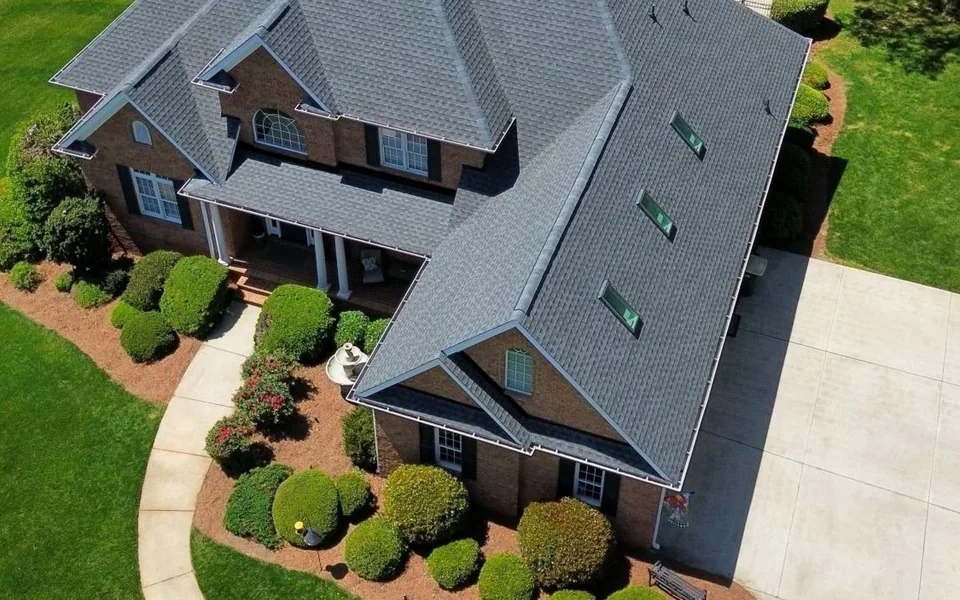
Adding a roof vent without understanding where outside air enters can leave the attic poorly balanced. Soffit intake, exhaust placement, insulation, air sealing, and mechanical ventilation may all affect performance. The roof shape also influences which options are feasible.
Watch for clues, not a diagnosis
Persistent attic heat, moisture marks, damp materials, or uneven temperatures can justify a closer look. None of these alone proves a ventilation defect. A professional can review visible conditions and determine whether the issue is ventilation, insulation, air leakage, or another source.
Ask for a plan during roof work
If you are replacing a roof, ask how the proposed intake and exhaust work with the existing attic. Confirm the product and installation details in writing. Product requirements and local codes should guide the final design, rather than a one-size-fits-all vent count.
Frequently asked questions
Will more vents always make an attic cooler?
No. Placement, intake, exhaust balance, and other attic conditions matter.
Should ventilation be discussed during a roof replacement?
Yes. It is a useful time to review the complete roof and attic assembly.