
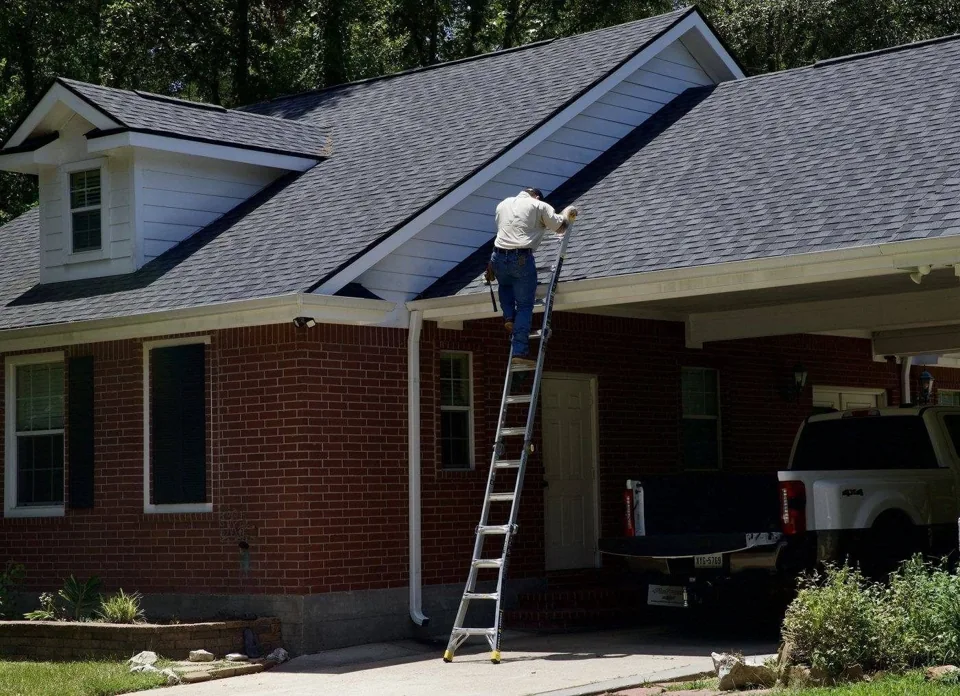
Quick answer: A roof inspection should document visible conditions, explain what was found, and give you a clear next step without requiring you to choose a repair or replacement on the spot.
Before the visit
Tell the team about leaks, stains, missing materials, or recent storms. Note when you first saw each issue and take ground-level photos if it is safe. You do not need to climb onto the roof. If water is entering the home, explain that when you schedule the visit.
What the inspection considers
A useful inspection looks beyond the most obvious shingle. Accessible surfaces, roof edges, flashing, penetrations, drainage, and ventilation may all help explain a problem. Interior signs and past repairs add context. Access and weather can limit what is visible; ask the inspector to identify those limits.
What you should receive afterward
Ask for a plain-language explanation of the observed condition and the reasons behind any recommended work. If a proposal follows, review its materials, scope, exclusions, and next steps. You should understand why a focused repair is suitable or why a broader replacement is being discussed.
Frequently asked questions
Do I have to be home?
Being available helps you show interior symptoms and hear the findings, but scheduling and access can be discussed with Trophy.
Does an inspection commit me to a new roof?
No. An inspection is a chance to understand the condition and compare appropriate options.