


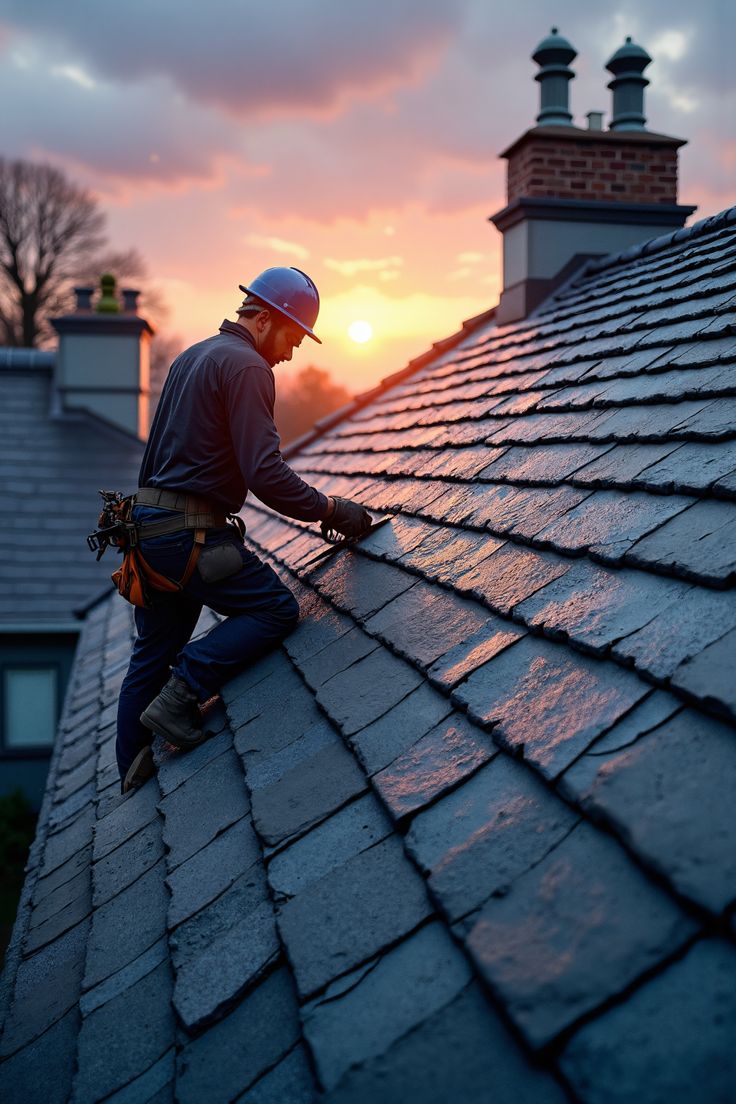
The most expensive roof problem in Texas isn't hail. It's heat — specifically, the heat trapped in under-ventilated attics, quietly cooking roofs from below all summer long.
What bad ventilation does
On a 100-degree day, a poorly vented attic reaches 150°F or more. That heat bakes the asphalt in your shingles, ages them years ahead of schedule, and can void the manufacturer's warranty — most shingle warranties require adequate ventilation. It also radiates down into your living space, which is why your AC runs all evening. In winter, the same stagnant attic traps moisture, breeding mold and rotting decking.
How it's supposed to work
Ventilation is a system: intake vents low at the soffits pull in outside air, exhaust vents high at the ridge let hot air escape. The system fails when insulation blocks the soffits, when exhaust exists without intake, or when mixed vent types short-circuit the airflow. More vents isn't the answer — balanced vents is.
The payoff for fixing it
Longer shingle life, valid warranties, noticeably lower summer cooling costs, and a healthier attic. On older College Station homes, it's routinely the highest-value improvement we make during a roof replacement.
We evaluate ventilation on every inspection, free. If your upstairs never quite cools off, your attic is probably trying to tell you something.
Need a straight answer about your roof?
Free inspections, honest estimates, and a local team that answers the phone.
Get a Free Estimate


