

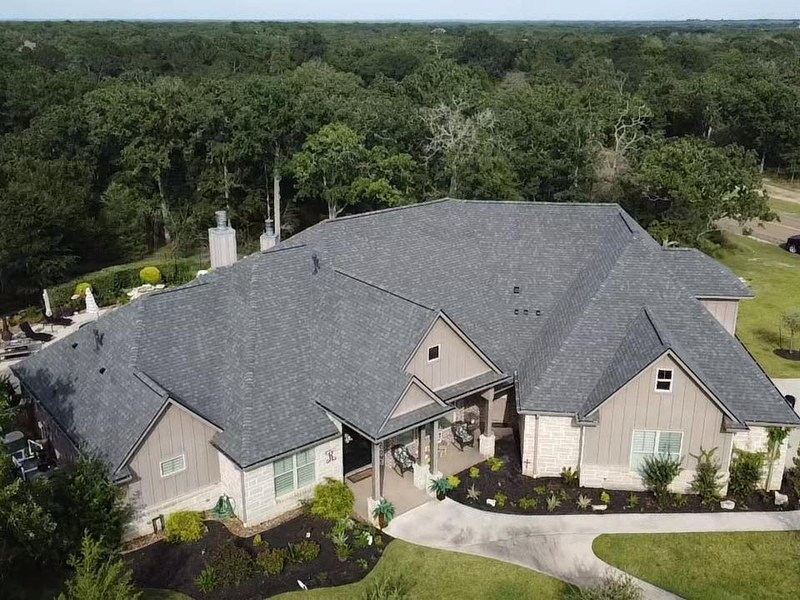
Why Texas heat destroys average roofs
Sustained rooftop temperatures above 150°F cook the oils out of asphalt, curling and cracking bargain shingles years early. UV exposure, thermal shock from afternoon storms, and poor attic ventilation multiply the damage. Material choice and ventilation together determine whether a Texas roof lasts 12 years or 30.
Metal vs. shingle vs. tile in the heat
Metal reflects most solar radiation, sheds hail well in Class 4 profiles, and lasts 40-60 years. Modern architectural shingles with reflective granules carry Energy Star ratings at half the upfront cost, lasting 22-30 years with good ventilation. Tile handles heat beautifully and lasts 50+ years, but weight and cost limit it to engineered structures.
The ventilation multiplier
Whatever the material, a balanced intake-and-exhaust ventilation system drops attic temps 20-40 degrees, protects the decking, and keeps manufacturer warranties valid. Trophy evaluates ventilation on every inspection — it is the cheapest performance upgrade in roofing.
Frequently asked questions
What color roof is best for Texas heat?
Lighter colors reflect more heat, but modern reflective granule technology lets even darker shingles carry cool-roof ratings. Ask for the solar reflectance index, not just the color.
Do metal roofs make homes hotter?
The opposite — metal reflects solar radiation and cools quickly after sunset. With proper underlayment it is the coolest system available in Texas.
How much does a cool roof save on electricity?
Studies and utility programs put summer cooling savings at 10-25% versus dark conventional roofs in hot climates like Texas.
Need a straight answer about your roof?
Free inspections, honest inspections, and a local team that answers the phone.
Get a Free Inspection


