

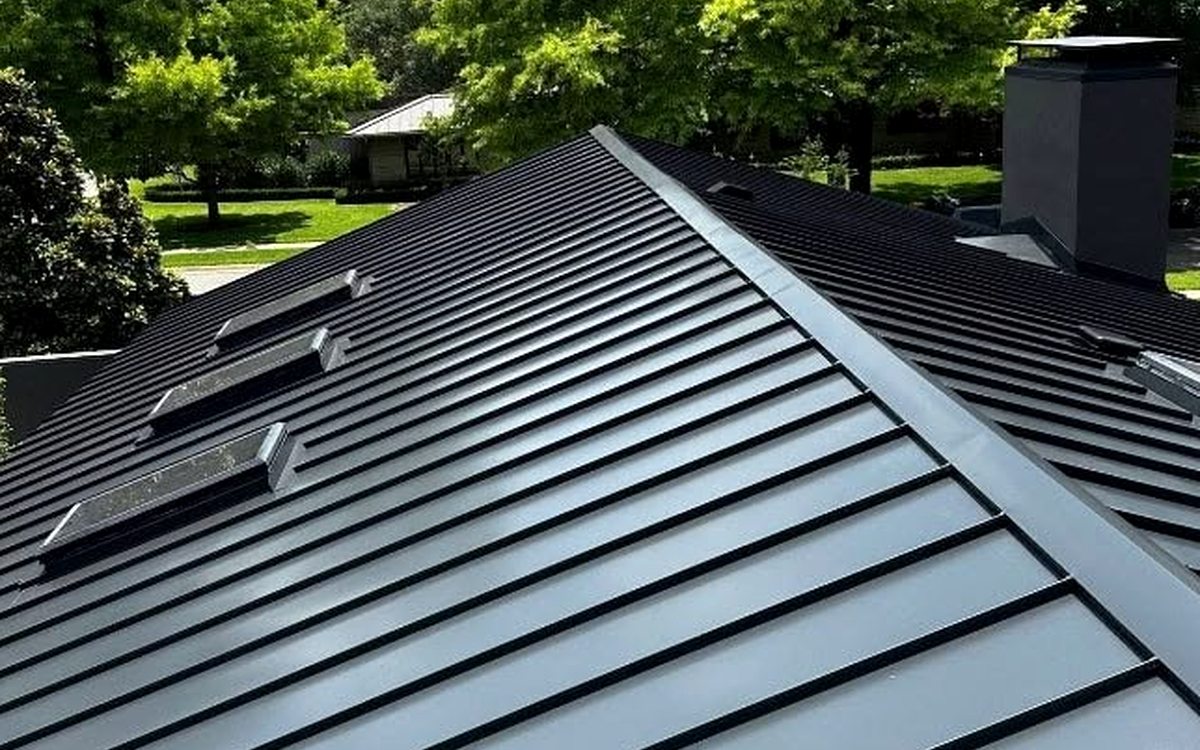
The small metal and detail work on a roof is where most leaks begin and where good workmanship shows.
Flashing: where most leaks begin
The metal flashing around chimneys, vents, skylights, and wall transitions is where the majority of roof leaks start. Flashing that is rusted, lifted, or sealed with cracked caulk should be repaired before wind-driven rain finds the gap.
Chimney flashing and cricket detail
The junction where a chimney meets the roof is a classic leak source, sealed by step flashing and, on wider chimneys, a cricket that diverts water around it. Rusted or tar-patched chimney flashing is a sign the detail needs to be redone properly.
Flashing done right during installation
New flashing at every wall, chimney, and valley is a hallmark of a quality installation, while reusing old, tired flashing is a shortcut that causes leaks. Ask whether your estimate includes new flashing — it should.
Why roofs leak
Most leaks don't start in the open field of the roof; they start at transitions, penetrations, and worn flashing. Tracing a leak to its true source, rather than just patching the stain below it, is what actually stops the water.
Sealant, boots, and small fixes
Rubber pipe boots crack and sealant dries out long before the shingles wear out, and either can let water in. Replacing a failing boot or re-sealing a penetration is a cheap fix that prevents an expensive interior leak.
Frequently Asked Questions
Why is my roof leaking if the shingles look fine?
Most leaks start at flashing, valleys, and penetrations rather than in the open field of shingles. A leak can travel far from its entry point, so tracing it to the true source is essential.
Should I repair or replace my roof?
Isolated damage on an otherwise sound roof is a repair; widespread wear, multiple leaks, or an aging roof usually calls for replacement. A professional inspection gives you a straight answer instead of a guess.
When should I get my roof inspected?
At least once a year, and again after any major storm. Catching damage early keeps a small repair from becoming an interior leak, and creates a dated record of your roof's condition.
Ready for a free roof inspection?
Honest assessment, no pressure, from a local team that stands behind its work.
Get a Free Inspection


