

San Antonio commercial buildings deal with intense sun, real hail exposure, and the cost of cooling large interiors. The roofing system you choose has a direct impact on energy bills, storm resilience, and how long the roof lasts.
Reflective membranes for energy savings
For most flat and low-slope San Antonio buildings, reflective single-ply membranes lead the field. TPO's white surface reflects heat and lowers cooling costs; PVC adds chemical and grease resistance for restaurants and industrial roofs. In the South Texas sun, that reflectivity translates directly into operating savings.
Hail is a real factor here
Metal for the right buildings
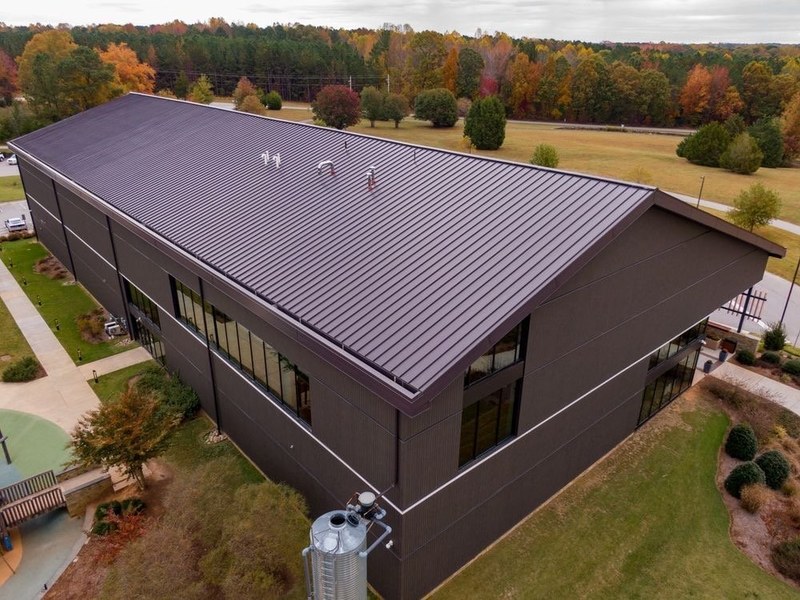
Standing-seam and other metal systems suit certain commercial and industrial buildings, offering long life, hail resilience, and low maintenance. For sloped commercial roofs, metal is often the durable long-term choice.
Maintenance and drainage
Flat roofs live or die on drainage. Clearing drains, inspecting seams, and addressing ponding water keep a San Antonio commercial roof healthy. A maintenance plan is far cheaper than an emergency leak that disrupts your business.
Work with a commercial specialist
Commercial roofing demands different systems, code knowledge, and crews than residential work. Trophy Exteriors installs and maintains commercial roofing across San Antonio and can recommend the system that best fits your building and budget.
Frequently Asked Questions
What commercial roof handles San Antonio heat and hail best?
A reflective single-ply membrane (TPO or PVC) cuts cooling costs in the heat, while metal and impact-resistant systems better withstand South Texas hail. The right choice depends on the building, budget, and rooftop use.
How often should a San Antonio commercial roof be inspected?
At least twice a year and after major storms. Regular inspections catch ponding, seam issues, and hail damage early — the biggest factor in reaching a flat roof's full service life.
Need a straight answer about your roof?
Free inspections, honest inspections, and a local team that answers the phone.
Get a Free Inspection


