

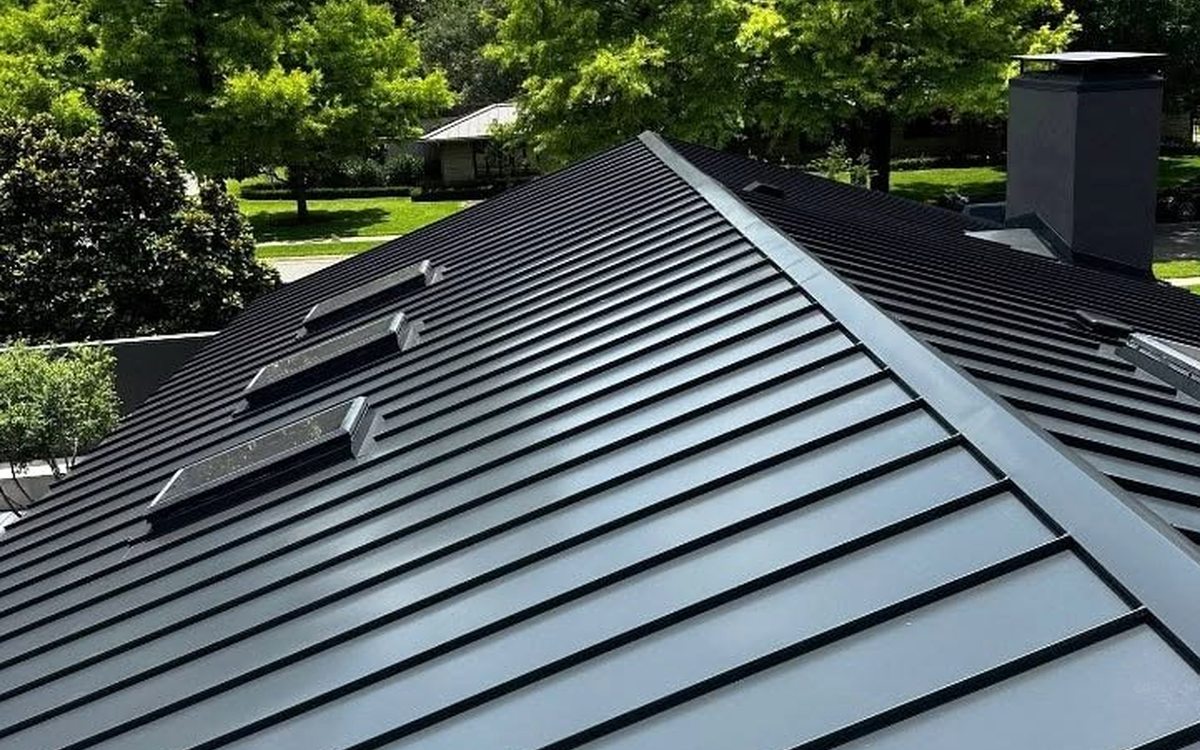
The details beneath the shingles — decking, underlayment, flashing, ventilation — are what determine whether a new roof lasts.
Permits, code, and your roof
Most roof replacements require a permit, and current building code may call for upgrades the old roof lacked, such as added ventilation or ice-and-water shield. A licensed roofer handles permitting so the work passes inspection and doesn't complicate a future home sale.
Verifying license and insurance
Before hiring, confirm the roofer carries general liability and workers' comp coverage, and ask for the certificate. If an uninsured worker is hurt on your roof, you don't want that liability landing on you.
Hidden costs that show up mid-project
Rotted decking, inadequate old ventilation, and code-required upgrades can add cost once the old roof is off. A good roofer explains how these are handled and priced before work starts, so there are no surprises.
Frequently Asked Questions
Do I need a permit to replace my roof?
In most areas, yes, and current code may require upgrades the old roof lacked. A licensed roofer pulls the permit and ensures the work passes inspection.
How much does a new roof cost?
Cost depends on the roof's size, slope, material, and complexity, plus whether the old roof needs tear-off and any decking repairs. The most reliable number comes from a free, itemized inspection and estimate rather than a phone quote.
What's the difference between roofing warranties?
The manufacturer warranty covers the materials; the contractor's workmanship warranty covers the installation. Since most failures come from installation, the workmanship warranty is the one to scrutinize.
Ready for a free roof inspection?
Honest assessment, no pressure, from a local team that stands behind its work.
Get a Free Inspection


