

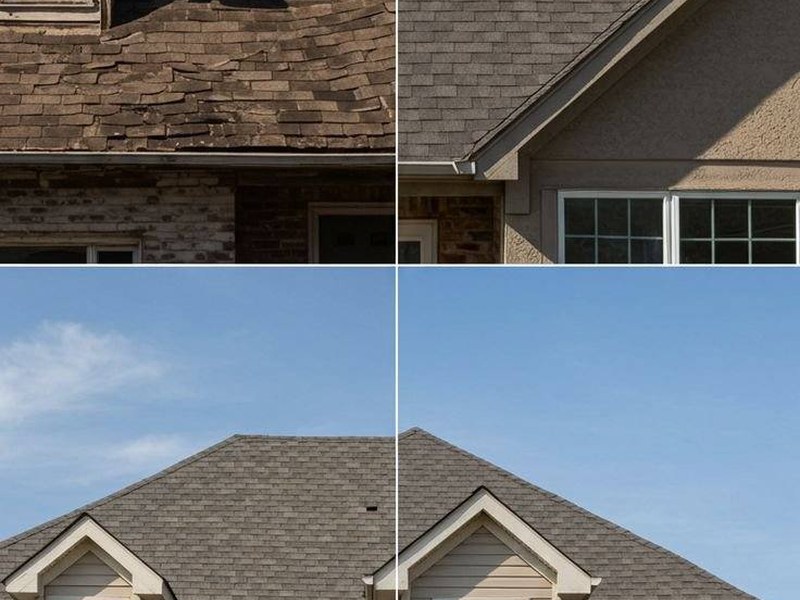
A roof is one of the biggest-ticket components of a home, so it's fair to ask: if I replace it, do I get that money back? The honest answer is nuanced — a new roof is part value-add and part risk-remover — but in both roles it protects your money.
Value vs. sale protection
A new roof rarely returns 100% of its cost as pure added appraised value. What it reliably does is remove a deal-killer. Buyers and their inspectors zero in on roof age and condition; an old or damaged roof triggers price reductions, repair demands, or walk-aways. A newer roof takes that entire negotiation off the table, which often preserves more of your price than the roof cost itself. Think of it as protecting the sale, not just padding the appraisal.
Why buyers and appraisers care
A new roof signals a well-maintained home, reduces the buyer's near-term risk, and can make the home easier to insure. All of that supports both the price and the speed of the sale.
Which upgrades return the most
Curb appeal counts
The roof is a large share of what a buyer sees from the street. A dimensional, well-chosen roof lifts the whole home's first impression; a worn or cheap-looking roof drags it down. On higher-end homes especially, matching the roof to the architecture protects the property's perceived value.
The takeaway
If you're staying, a new roof buys you decades of protection and lower energy and repair costs. If you're selling, it removes a major objection and defends your price. Either way, the quality of the material and install determines the payoff. Trophy Exteriors provides free inspections and honest guidance on whether to repair, replace, or upgrade — and which materials make sense for your home and goals.
Frequently Asked Questions
Does a new roof add value when selling a home?
Yes. A new or newer roof is a strong selling point — it removes a major buyer objection, can speed the sale, and supports the asking price. While you may not recoup 100% of the cost as pure value, it protects the sale and often prevents price reductions.
Which roof adds the most value?
Durable, attractive materials that reduce a buyer's future risk add the most: architectural or impact-resistant shingles, metal, and documented storm-resistant or energy-efficient upgrades. Metal in particular can improve resale appeal and energy performance.
Need a straight answer about your roof?
Free inspections, honest inspections, and a local team that answers the phone.
Get a Free Inspection


