

Why the pre-storm photo matters as much as the prep
A ten-minute phone photo session - every slope from the ground, closeups of the roof edge, attic decking - timestamped this week, turns any storm-damage question into an obvious answer. Store the photos off-site or in the cloud.
The physical prep that actually moves the needle
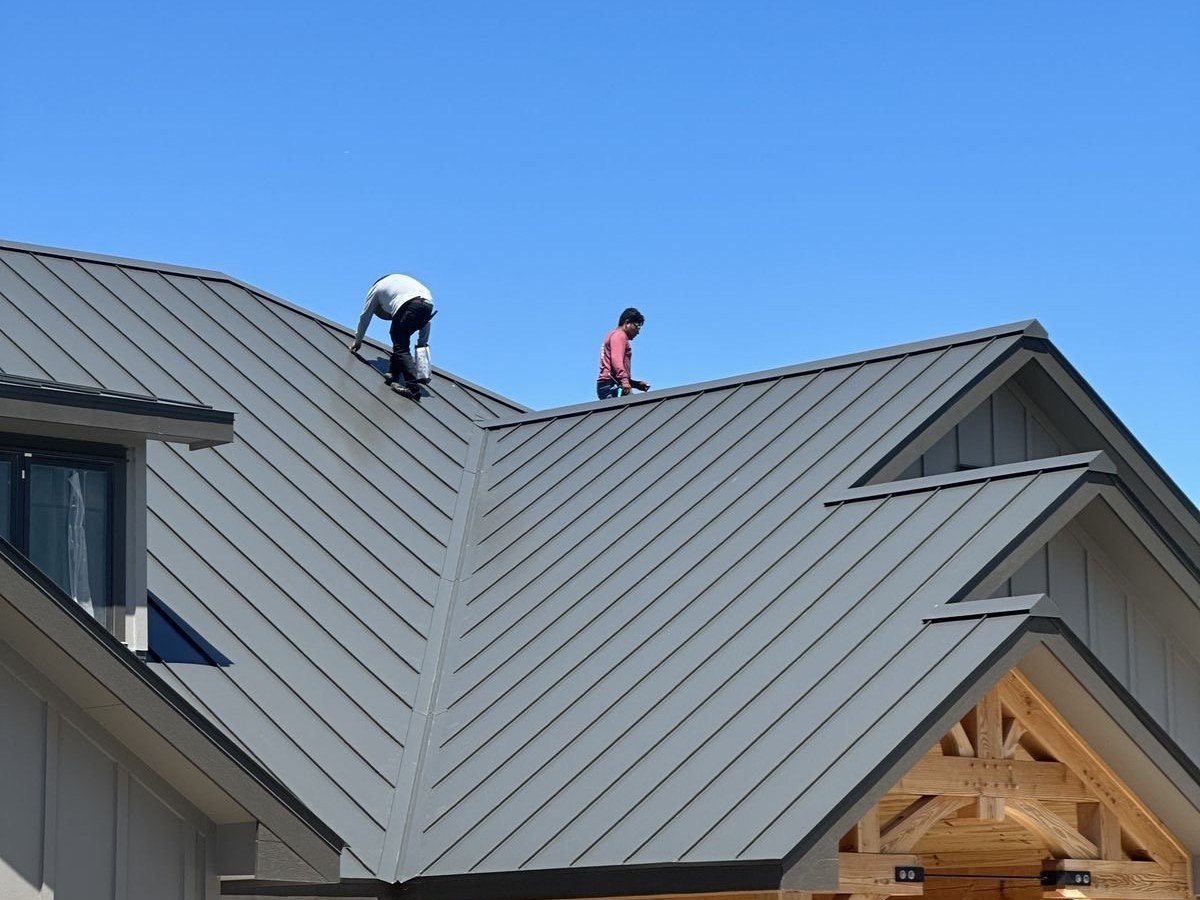
Have loose or unsealed shingle edges hand-sealed - wind failure starts at edges and works inward. Confirm drip edge and starter strips are intact after summer heat. Clear gutters and downspouts so the 10-inch rain bands drain. Trim limbs with fall radius over the roof. If your roof already has known damage, repair now: carriers can deny storm claims where pre-existing damage "contributed."
Know your roof's condition before the storm names itself
After a landfall, reputable contractors book out for weeks - having Trophy inspect and document your roof before the storm places you first in line after it, with dated proof of pre-storm condition.
Frequently asked questions
Can shingles be sealed against hurricane wind?
Hand-sealing edge and rake shingles with roofing cement significantly raises wind resistance on older roofs; new Class H-rated systems are engineered for it.
Should I tarp before a storm hits?
Only over known active leaks. Pre-tarping sound roofs is unnecessary; staged tarps and a contractor relationship for rapid response after is the smarter plan.
What wind speed damages an asphalt roof?
Standard shingles are rated 60-130 mph depending on class and installation; aged or unsealed shingles can fail well below their original rating.
Need a straight answer about your roof?
Free inspections, honest inspections, and a local team that answers the phone.
Get a Free Inspection


