

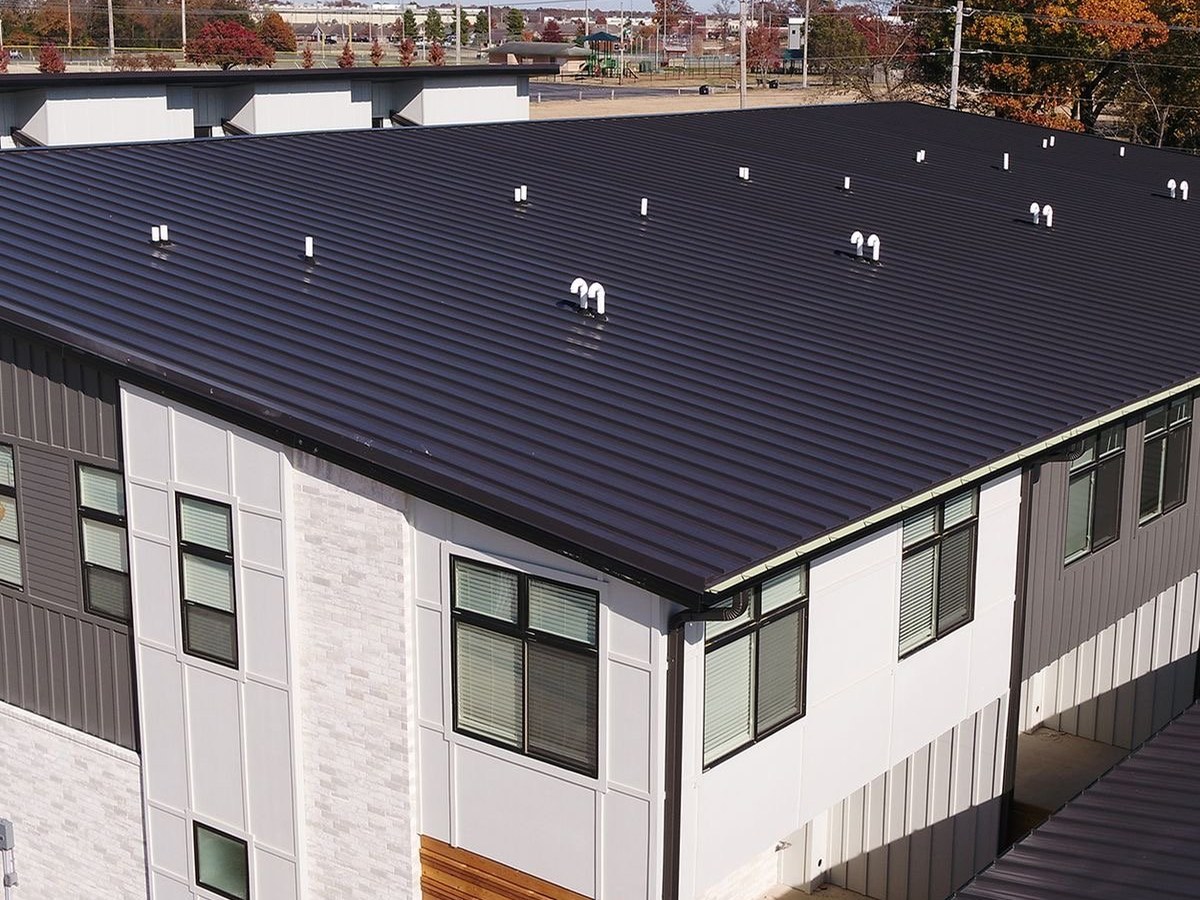
What a brutal Texas summer just did to your roof
Three months of 100-degree days cook the volatile oils out of asphalt shingles, shrink sealant beads at penetrations, and expand-contract every flashing joint daily. Late August is when that accumulated stress shows: look for curled shingle corners, cracked pipe-boot rubber, and granule piles at downspout exits.
The 20-minute ground-and-attic inspection
From the ground: scan each slope in morning light for shiny patches (granule loss), lifted tabs, and sagging lines. In the attic with a flashlight: look for daylight at penetrations, water staining on decking, and compressed insulation. From a ladder at the eave only: check gutter grit depth - more than a quarter inch of granules signals accelerated shingle wear.
Fix the small stuff before October does
A $300 sealant-and-boot service call in September routinely prevents a $3,000 interior repair in November. Fall cold fronts arrive with wind and rain the same day; summer-weakened seal strips let those storms lift shingles that would have survived in spring. Trophy runs free fall-readiness inspections in every market - schedule before the first front, not after.
Frequently asked questions
How often should a roof be professionally inspected?
Twice a year - spring after hail season and late summer before fall fronts - plus after any storm with hail or high wind.
Can I inspect my own roof safely?
From the ground and inside the attic, yes. Walking the roof surface is where homeowners get hurt - leave surface walks to insured pros.
What does a professional fall checkup cost?
Trophy Exteriors inspects free in all our markets; independent inspection services typically charge $150-$350.
Need a straight answer about your roof?
Free inspections, honest inspections, and a local team that answers the phone.
Get a Free Inspection


