

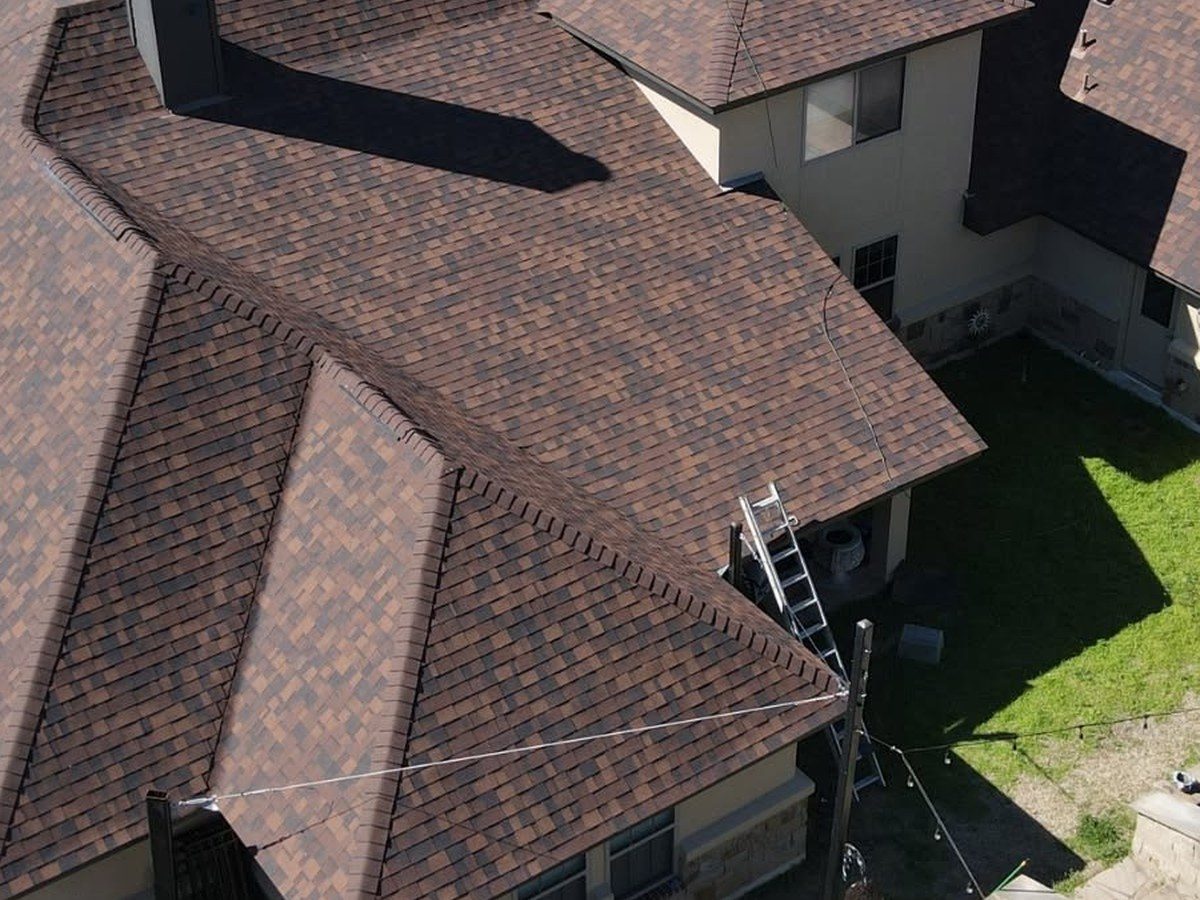
If your roof is aging or took a beating this summer, the calendar is quietly telling you something: fall is the best season to replace it. Here's why roofers — and the physics of how a roof actually seals — agree.
Shingles seal better in mild temperatures
Asphalt shingles have adhesive strips that need warmth and sunlight to activate and bond, creating the wind-tight seal that protects your home. Install in the dead of summer and the shingles can get almost too hot to handle; install in deep winter cold and the seal may not set properly until spring. Fall's moderate temperatures are the sweet spot — warm enough to seal, cool enough for crews to work efficiently and carefully.
You beat the winter storms
A roof replacement in fall means your home heads into winter with a fresh, fully watertight system — new underlayment, new flashing, and, in colder markets, ice-and-water protection at the eaves. That's exactly what you want before the first freeze, snow, or ice-dam season. Replacing after damage has already let water in is always more expensive than getting ahead of it.
You get ahead of the spring rush
Spring is the busiest time in roofing — storm season hits, everyone files claims and books at once, and lead times and prices climb. Scheduling in fall usually means more flexibility, more attention, and a roof that's already done while your neighbors are still waiting in line.
It's the perfect follow-up to a hard summer
Summer heat, UV, and storms take a real toll on a roof. Fall is the natural time to act on any damage that summer revealed — and if that damage was storm-related, a professional inspection with full photo documentation tells you exactly what it will take to make it right.
Don't wait too long
The catch: “fall” has a window. Early-to-mid fall gives shingles time to seal before deep cold sets in, so the best move is to schedule your inspection now rather than at the first snowflake. If your roof is near the end of its life or was damaged this year, book while the weather is on your side.
Trophy Exteriors offers free inspections and honest estimates across all of our markets — and we'll tell you straight whether you need a replacement now or can safely wait.
Frequently Asked Questions
Is fall really the best time to replace a roof?
For most climates, yes. Mild fall temperatures help asphalt shingles seal properly, crews work efficiently, and you get a fresh, watertight roof in place before winter storms — which is why fall is peak roofing season.
Should I wait until spring instead?
Waiting means heading into winter with a compromised roof, and spring is also the busiest, often priciest season as everyone books at once. If your roof needs replacing, fall gets it done before winter and ahead of the spring rush.
Will cold weather affect my new roof?
Shingles seal best in moderate temperatures. Installing in early-to-mid fall gives the adhesive strips time to bond in the sun before deep cold arrives, which is part of why fall timing matters.
Need a straight answer about your roof?
Free inspections, honest estimates, and a local team that answers the phone.
Get a Free Inspection


