

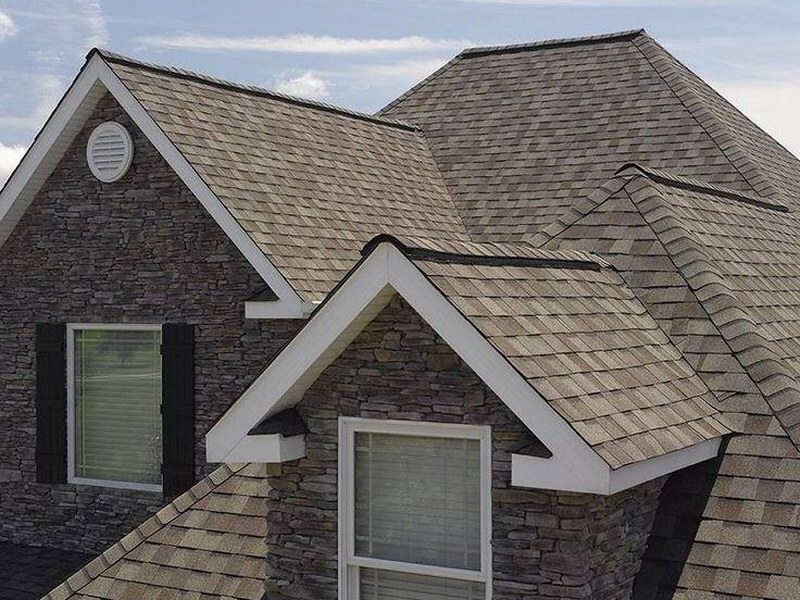
After a Texas storm, homeowners often know something happened to the roof but can't tell what. Wind and hail leave very different fingerprints, and knowing which you're looking at helps you document a claim correctly and explain the damage to your adjuster.
What wind damage looks like
Wind works on the edges and weak points. Its signatures are lifted or creased shingles (where the wind bent them back and broke the seal), torn or completely missing shingles, and displaced or peeled-back flashing and ridge caps. Wind damage often appears in patches or along one side of the roof — the windward slope, edges, ridges, and corners where uplift is strongest. A tell-tale sign is a crease line across a shingle even if it's still in place; that seal is broken and the shingle will fail.
What hail damage looks like
Hail is more random and more subtle. Its signature is bruising — roughly circular spots where impact knocked granules loose and fractured the mat beneath, scattered across the roof without a directional pattern. The most reliable clues are indirect: dented gutters, downspouts, and metal vents; granules washed into the gutters; and dings on window screens, AC fins, and other soft metal. Unlike wind damage, hail damage frequently isn't visible from the ground at all.
They often happen together
The same severe thunderstorm can bring both, so it's common to find creased and missing shingles from wind alongside bruising and granule loss from hail. A thorough inspection documents each, because they tell a consistent story about what the storm did.
Why it matters for your claim
Both wind and hail damage are typically covered under a homeowner's policy, but trained inspectors look for the specific signatures of each — and to distinguish storm damage from normal wear. Correctly identifying and photographing the damage, with the storm date, makes for a cleaner claim and reduces the chance of a dispute. In Texas you generally have a year to file, but sooner is better.
What to do next
If you see any of these signs, document them and get a professional inspection — one that documents everything with photos and measurements. Steer clear of storm-chasers who pressure you to sign on the spot. Trophy Exteriors provides free, honest post-storm inspections across Texas and documents wind and hail damage clearly for your claim.
Frequently Asked Questions
How can I tell if my roof has wind or hail damage?
Wind damage shows as lifted, creased, torn, or missing shingles and displaced flashing, often in patches or along edges. Hail damage shows as random bruising, dented soft metals, and granules in gutters. They can occur together in the same storm.
Both are typically covered under a homeowner's policy, but trained inspectors look for the specific signatures of each. Correctly identifying and documenting the type of damage — with dates — makes for a cleaner, better-supported claim.
Need a straight answer about your roof?
Free inspections, honest inspections, and a local team that answers the phone.
Get a Free Inspection


